
Language and currency settings
Change your language and currency settings by selecting your preferences below
Select currency
Select language
Fine Jewelry Trends 2026: Meaningful Luxury & Timeless Designs

Fine jewelry in 2026 enters a new chapter. After years defined by algorithm-driven aesthetics, social-media uniformity, and highly performative luxury, a clear shift is underway: jewelry is no longer meant to shout — it is meant to last.
Luxury today is less about volume and more about intention. Less about visibility, more about resonance. Informed by the most influential voices in fashion and jewelry — from Vogue and PORTER to The Business of Fashion — 2026 marks the evolution from quiet luxury to meaningful luxury. Jewelry becomes more personal, more tactile, and designed to endure.
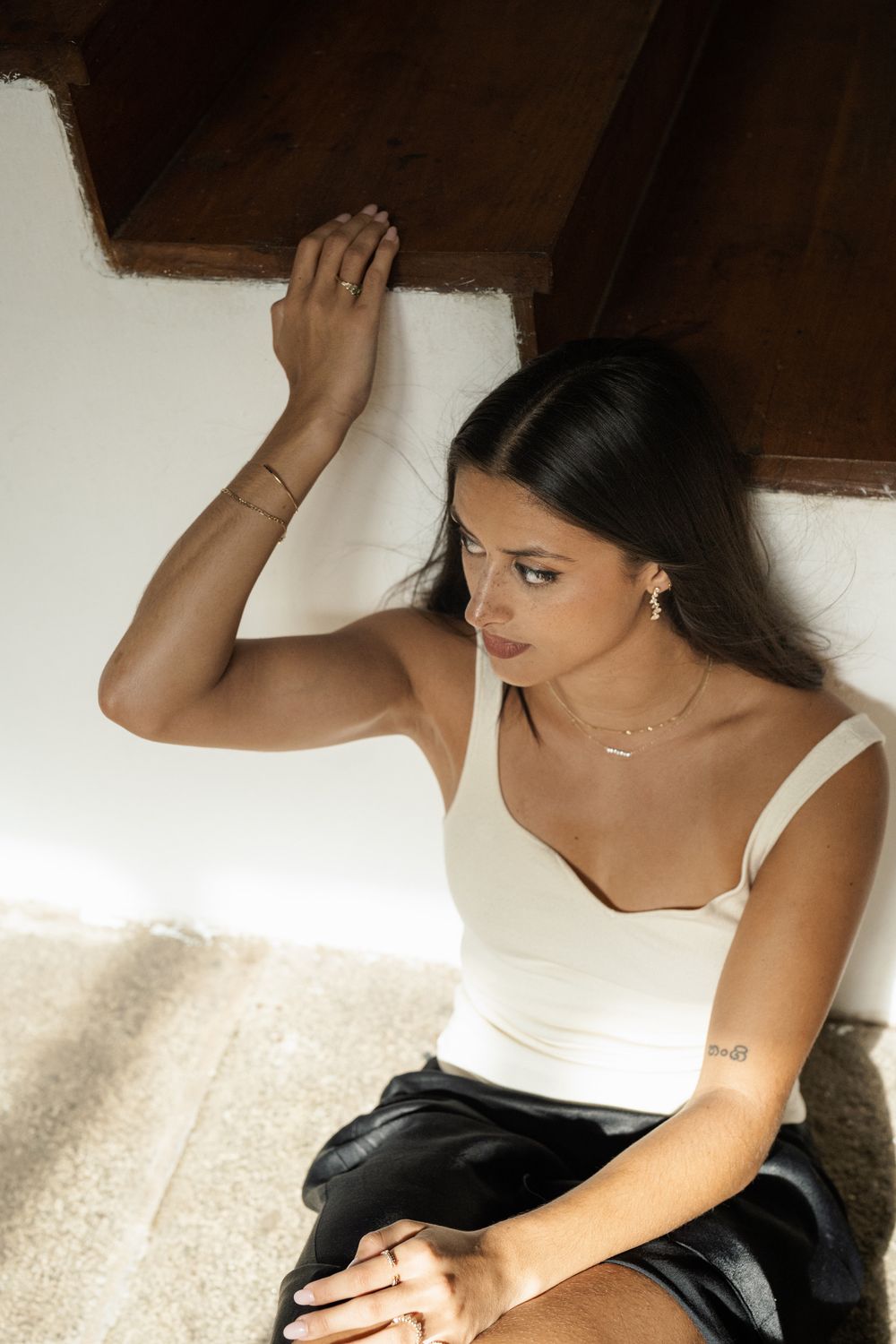
"2026: The Year Fine Jewelry Becomes More Personal — and Less Performative"
One of the defining cultural movements of 2026 is a rejection of the mass-produced and the algorithmic. Rather than jewelry optimized for likes, clients are choosing designs optimized for life.
This shift is reflected in: fewer and more considered purchases, a renewed focus on craftsmanship over perfection and jewelry designed for everyday wear, not just special occasions.
The result is a more human aesthetic: warm metals, gemstones with character, thoughtful proportions, and designs shaped by intention rather than trends.
The Key Fine Jewelry Trends of 2026

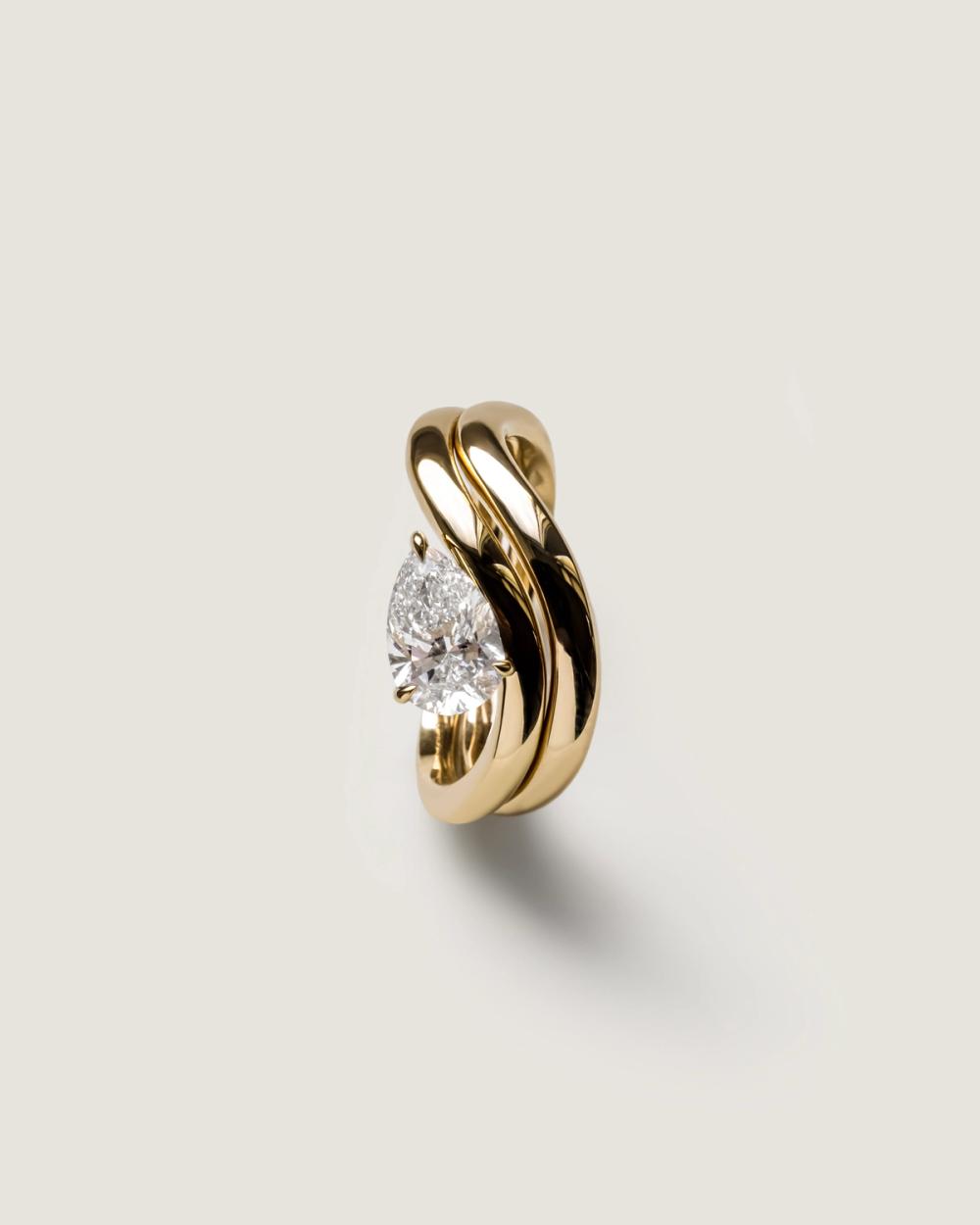
Sculptural Forms and a New Focus on Metal
In 2026, the role of metal becomes more pronounced. Rather than a design language driven solely by the quantity of gemstones, form, proportion, and craftsmanship take center stage.
This does not signal the disappearance of classic pavé details or delicate designs. Instead, these elements are increasingly balanced by:
clearer silhouettes
more intentional proportions
a sense of jewelry designed as a cohesive whole
Pavé is used with precision and restraint—as a refined accent rather than the main focal point. The result is jewelry that feels considered and enduring, where metal is not merely a setting for the gemstone but an active part of the design.
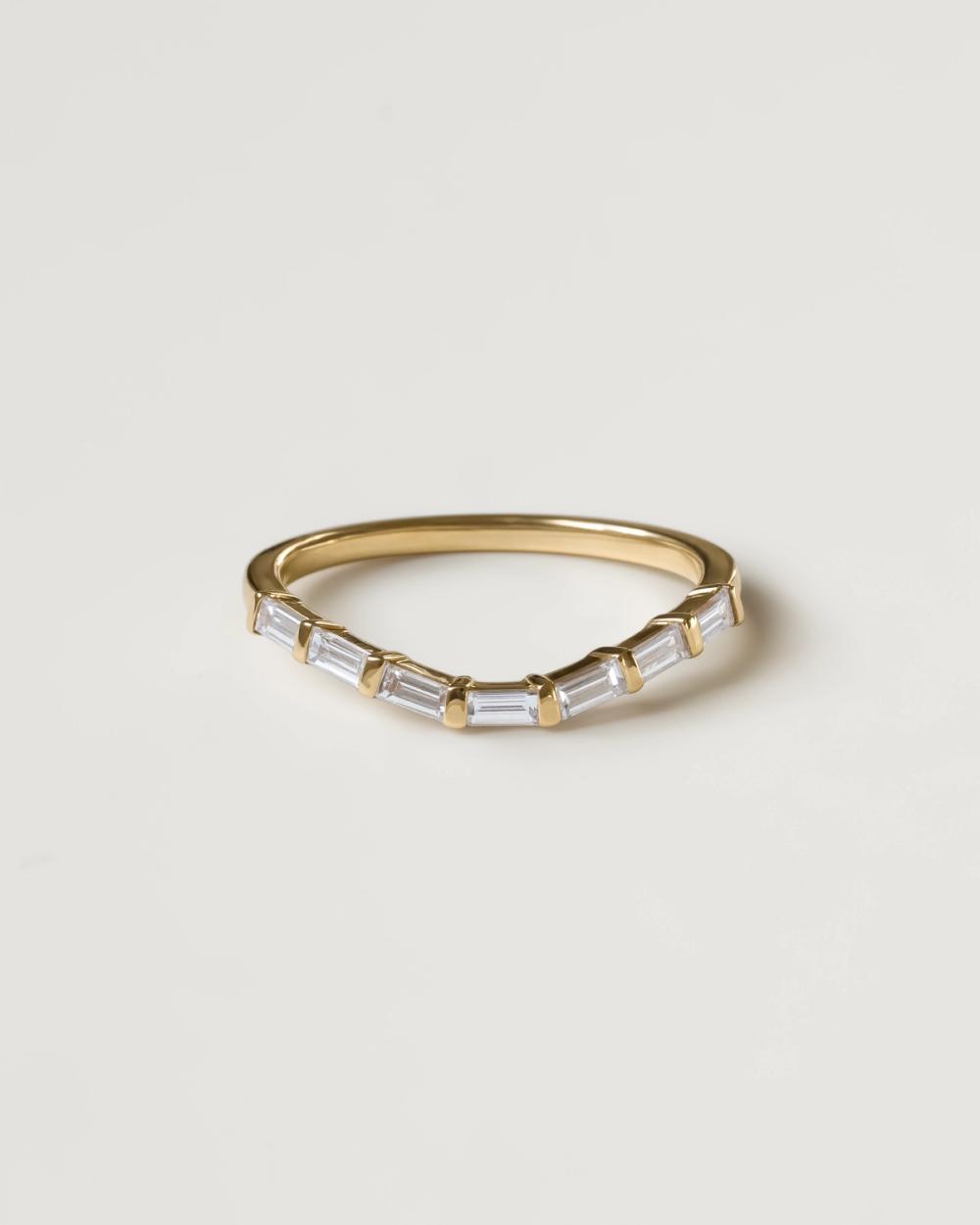
Above: Wave Baguette Band
Antique-Inspired Cuts and Diamonds with Character
One of the most prominent directions in fine jewelry for 2026 is the growing appreciation for antique-inspired diamond cuts, including Old Mine, Old European, and elongated cushion shapes.
These cuts are defined by:
softer, warmer light—often described as candlelit sparkle
more organic proportions
an aesthetic that feels less technical and more human
In an era where perfect symmetry and maximum brilliance are easily accessible, character becomes a new form of luxury. Antique-inspired cuts feel emotional and individual—not because they are imperfect, but because they are intentionally designed to emphasize depth, form, and light in a different way.
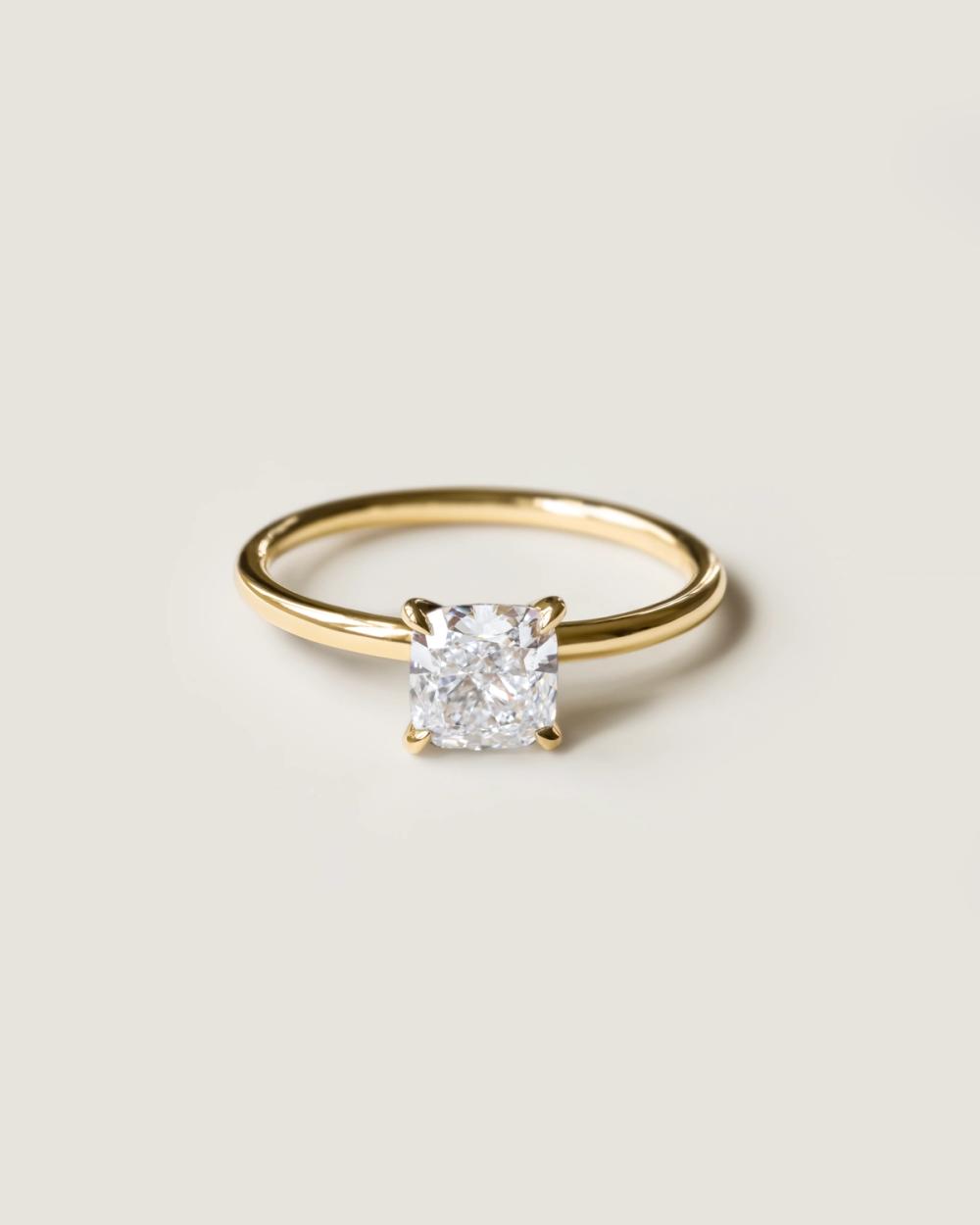
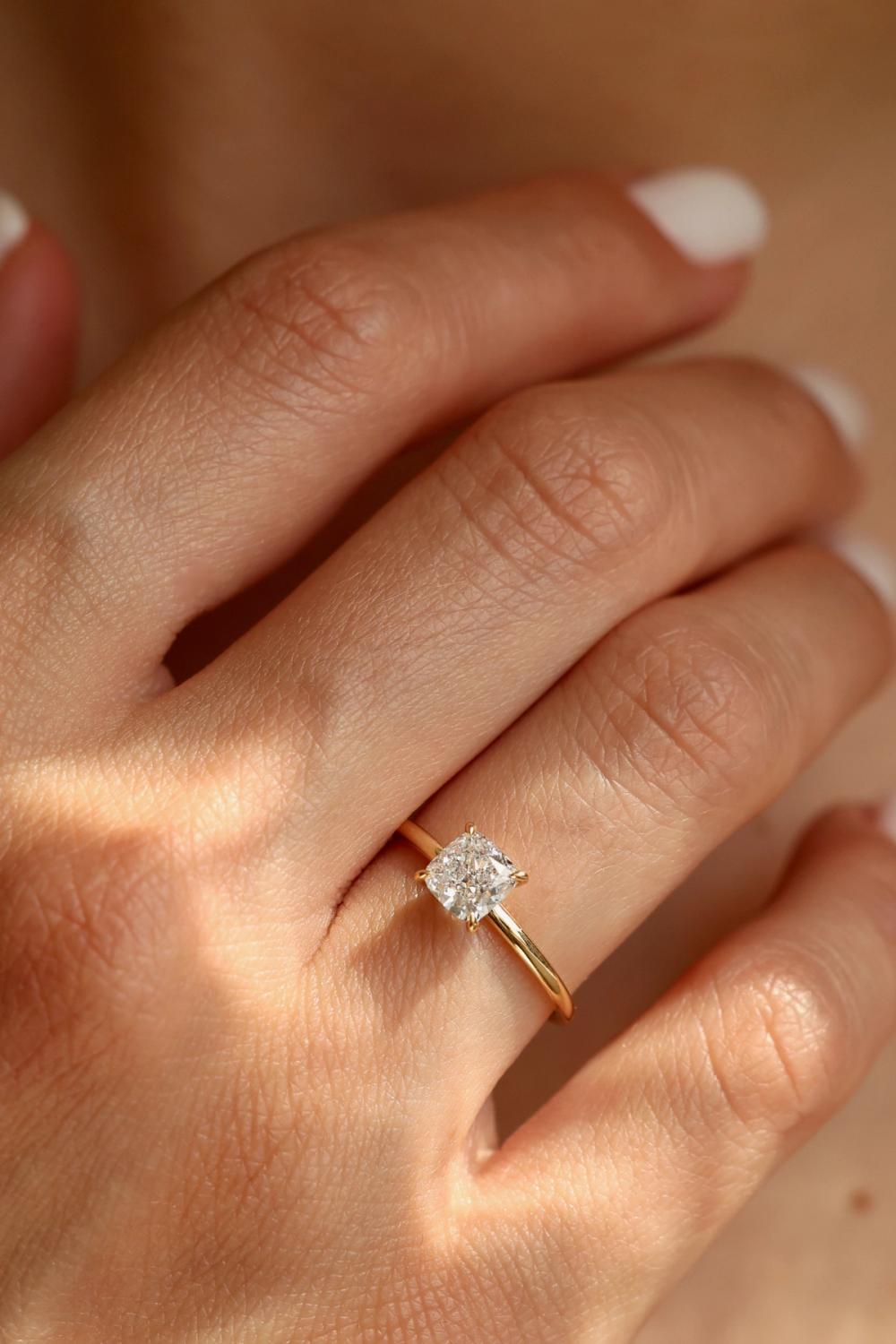
Above: Big Cushion Swan Diamond Ring
Shape in Motion: Ovals, Marquise, and Elongated Silhouettes
While round gemstones remain widely used, it is elongated shapes that increasingly define fine jewelry in 2026. Oval gemstones, marquise cuts, and elongated cushion variations feel both modern and sophisticated, offering elegance with a distinct sense of personality.
Ovals have enjoyed strong visibility in recent years, but in 2026 the focus shifts from size alone to proportion, balance, and how the gemstone interacts with the overall design. The elongated shape creates a natural extension and allows the center gemstone to appear generous without feeling ostentatious.
Marquise cuts are experiencing a clear revival. With their elongated silhouette and softly tapered points, marquise gemstones feel both classic and unexpected. What unites these shapes is their ability to deliver more visual presence per carat—allowing the gemstone’s form to take the lead in a design that feels intentional, timeless, and individual.
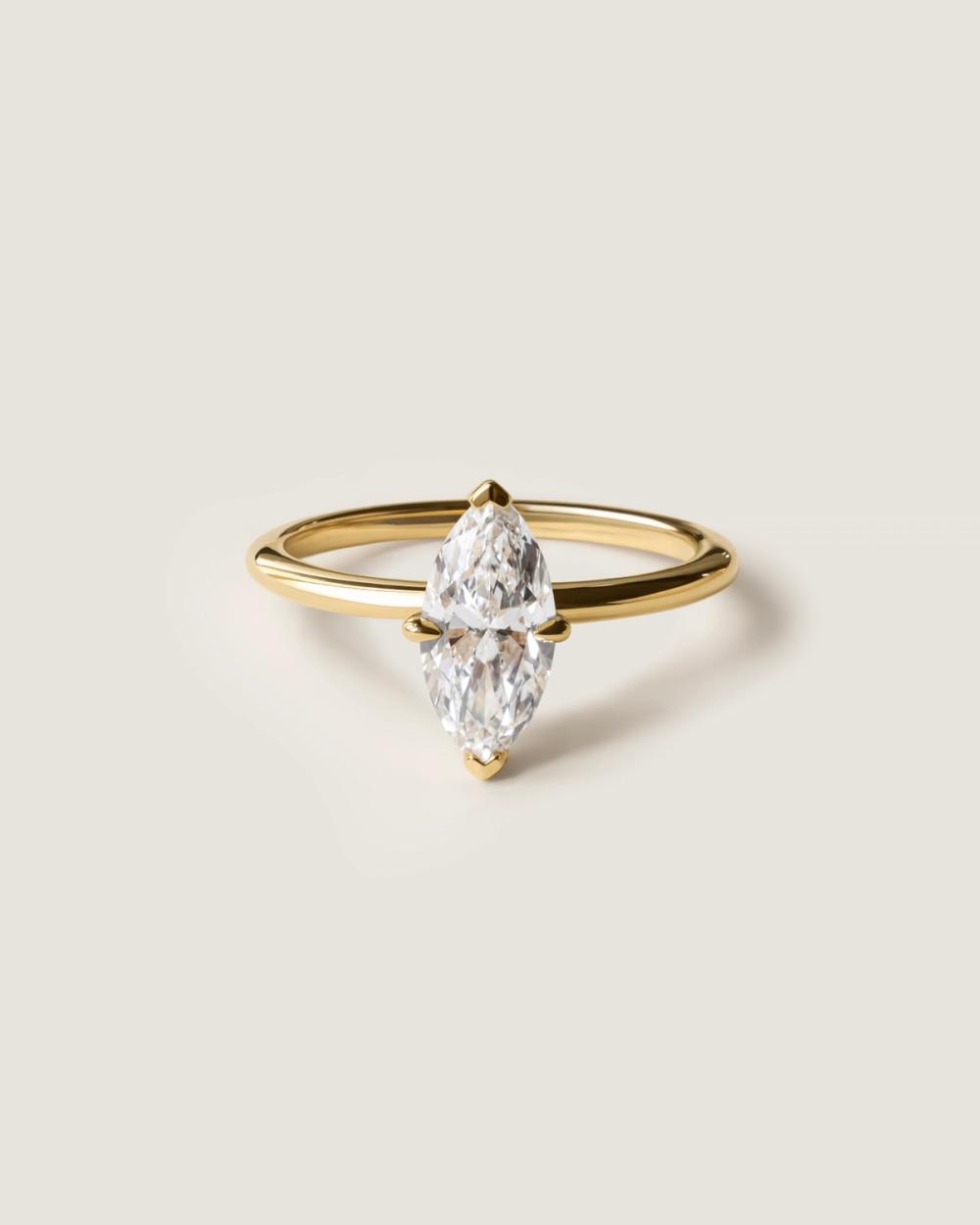
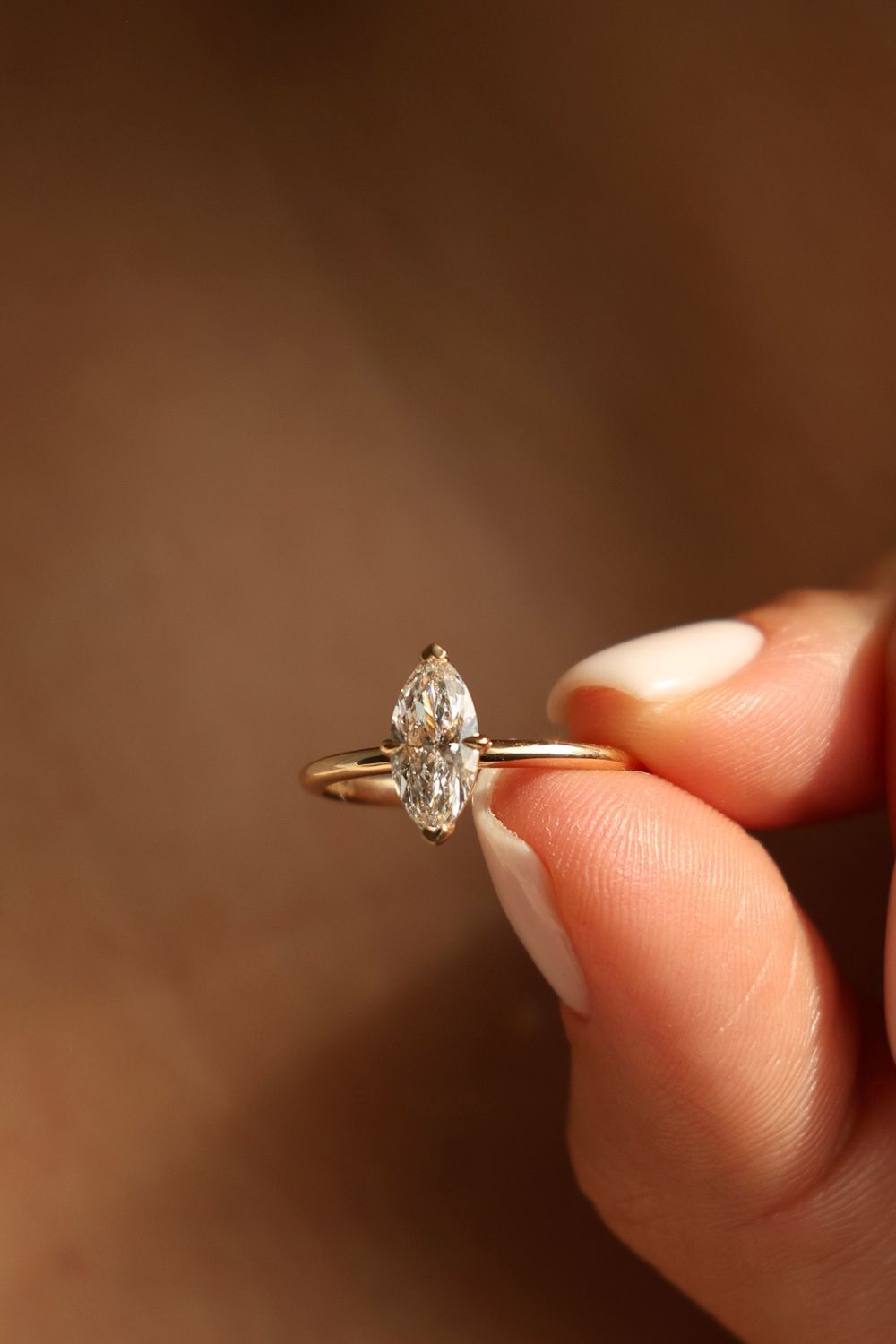
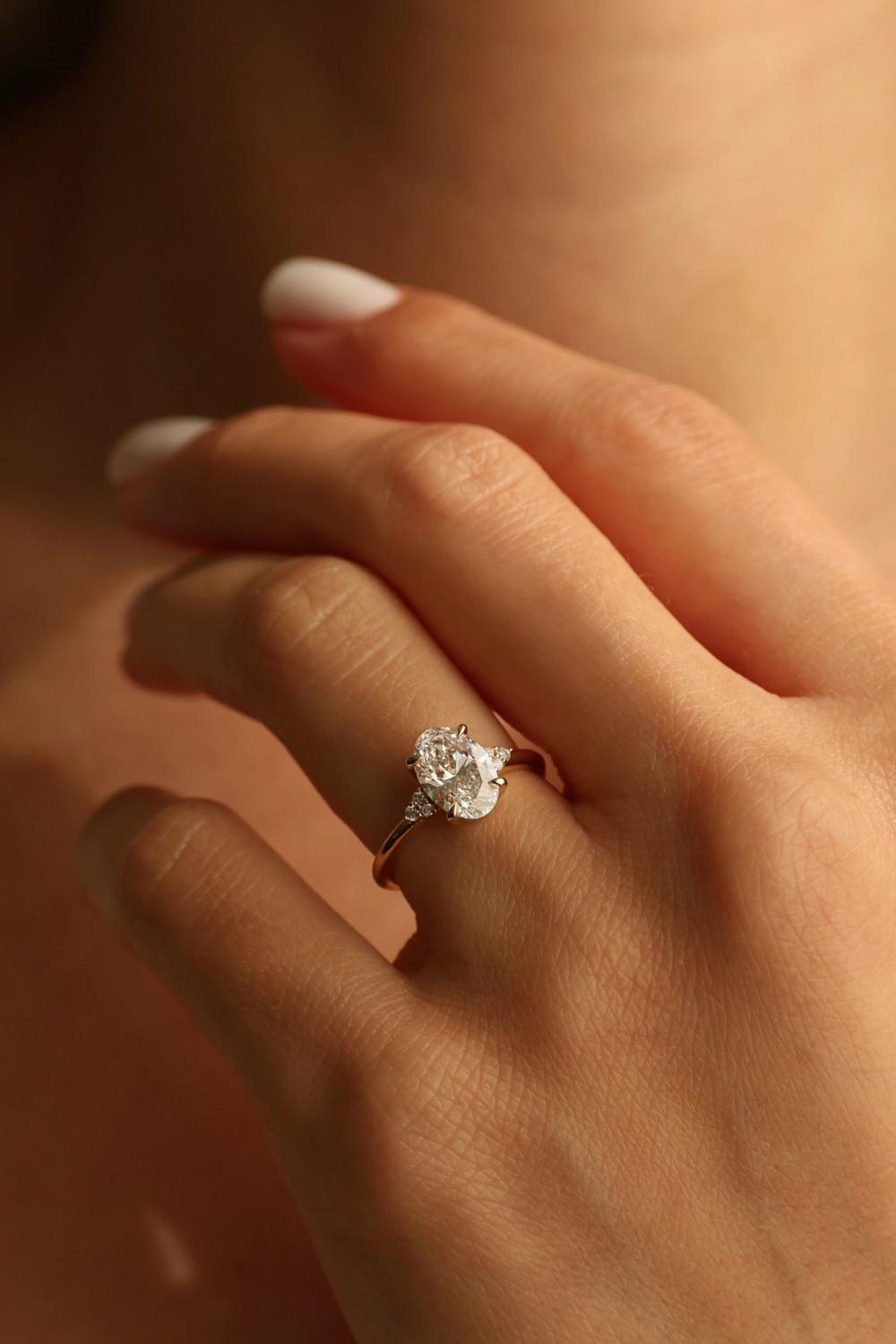
Above: Big Marquise Diamond Swan and Big Oval Swan & Sprinkled Diamonds
Understated Diamonds: The New Everyday Luxury
While evening and occasion jewelry still leave room for more expressive statements, everyday luxury in 2026 is more restrained. Understated diamonds define this shift.
It is not about fewer diamonds, but about thoughtful use:
small, precisely chosen diamonds
intentional placement
subtle brilliance rather than maximum sparkle
Diamonds function as refined accents that elevate the design rather than dominate it. The result is jewelry that feels timeless, versatile, and effortless to wear every day—on its own or layered with other personal favorites.
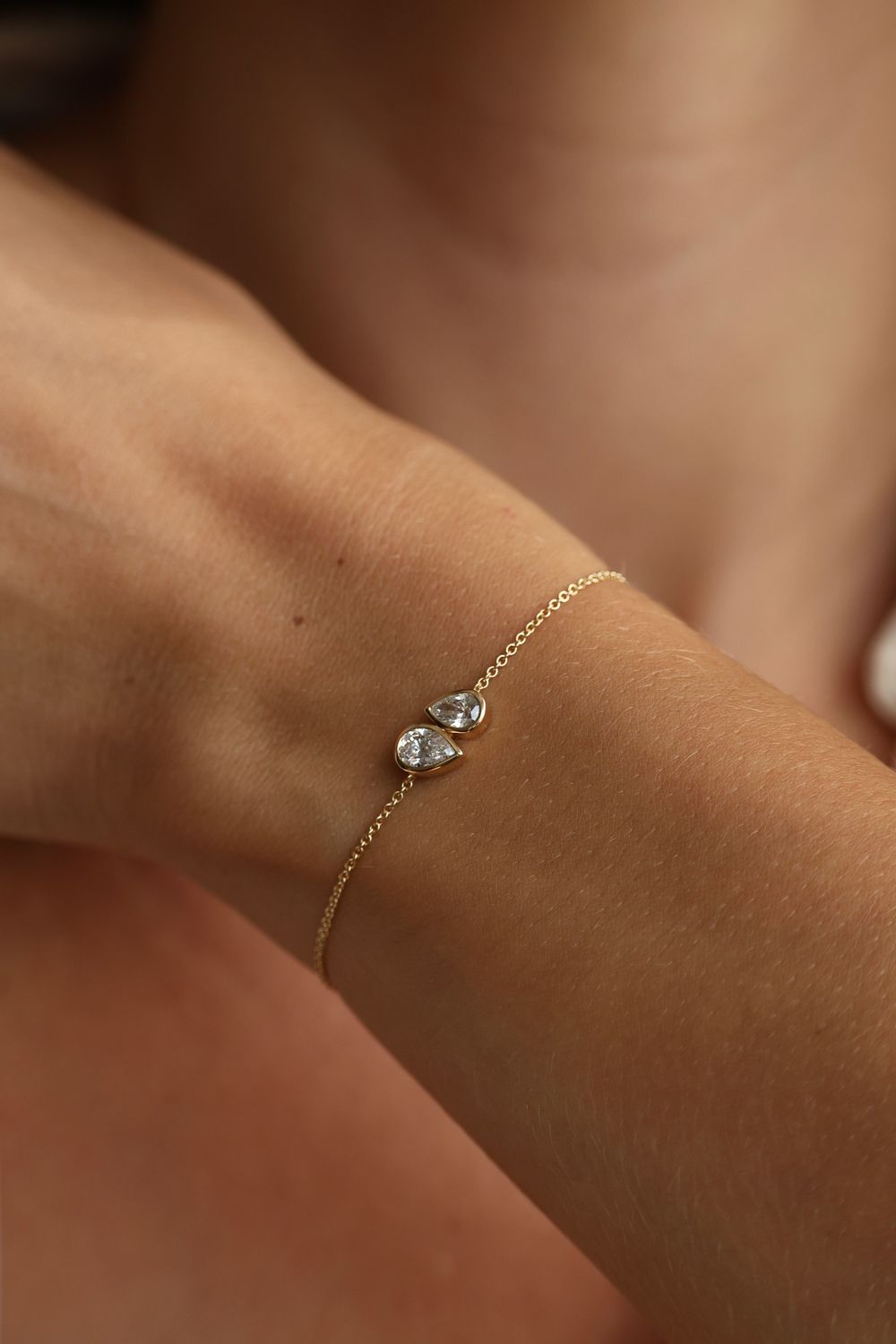
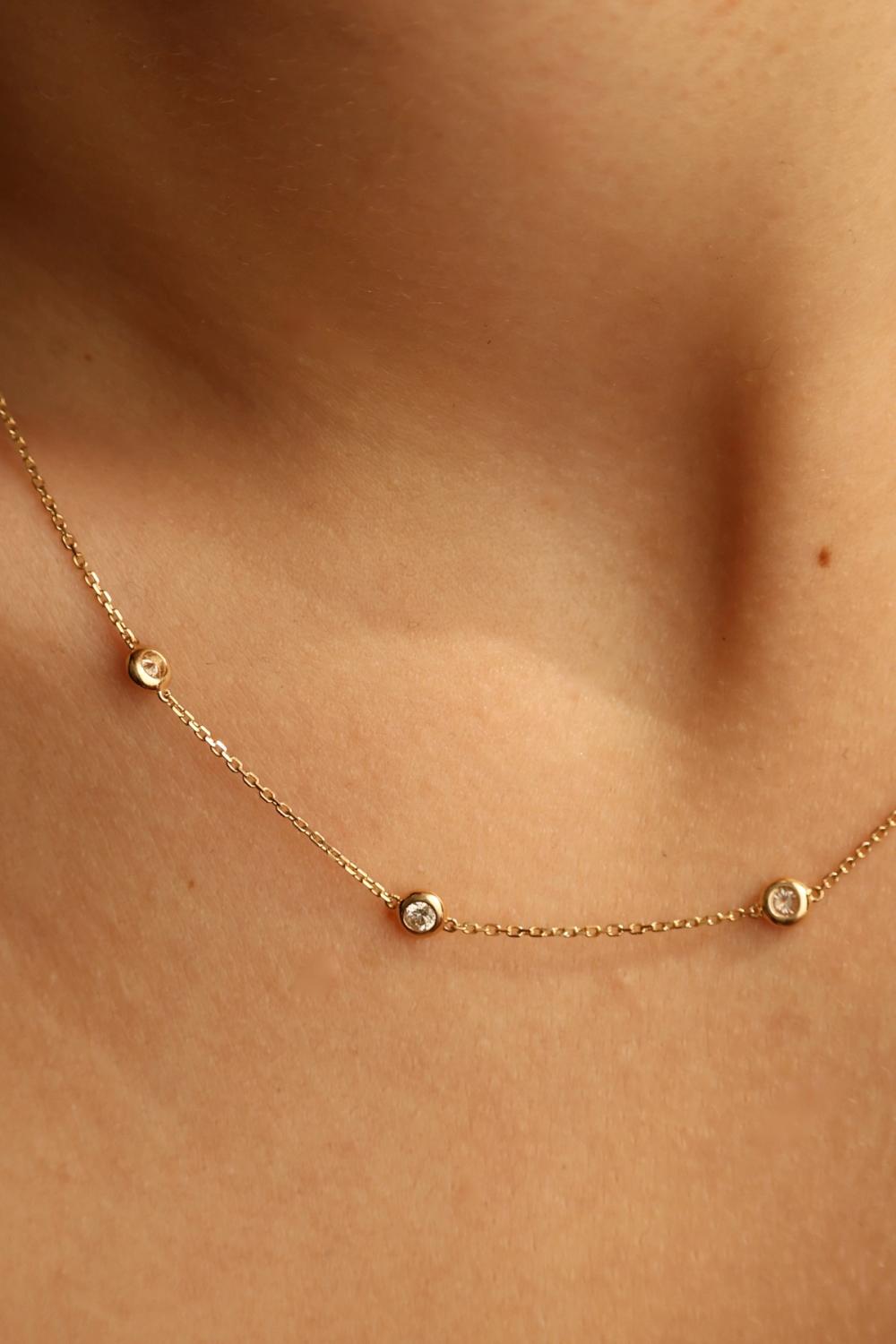
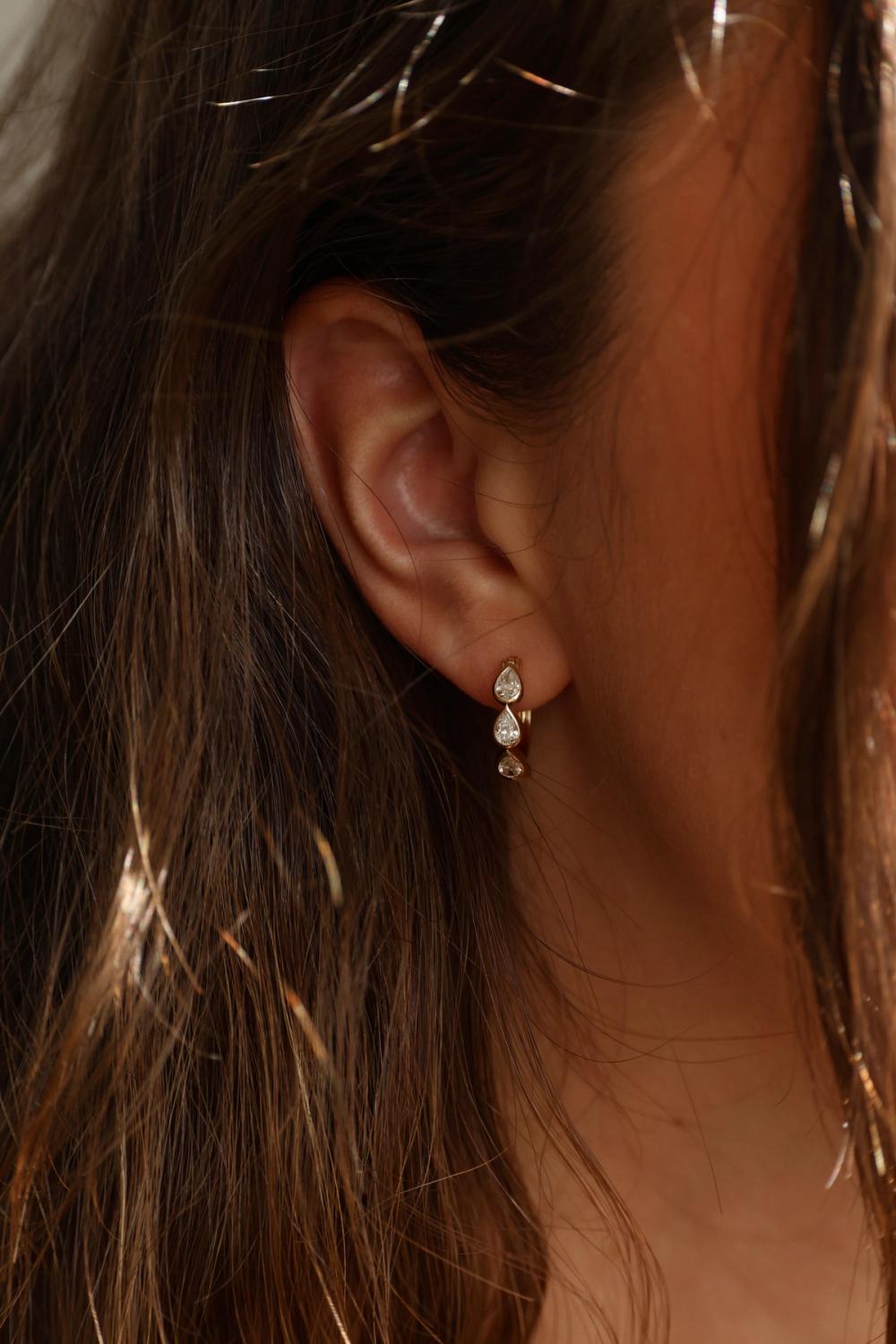
Explore our necklaces, bracelets and earrings with lab-grown diamonds
Warm Tones and Earthy Elegance
The color palette of fine jewelry deepens in 2026. Instead of icy whites and high contrast, there is growing appreciation for hues that feel organic, nuanced, and alive.
This includes:
champagne and honey-toned diamonds
light yellow and smoky brown shades
gemstones valued for depth and color play rather than pure clarity
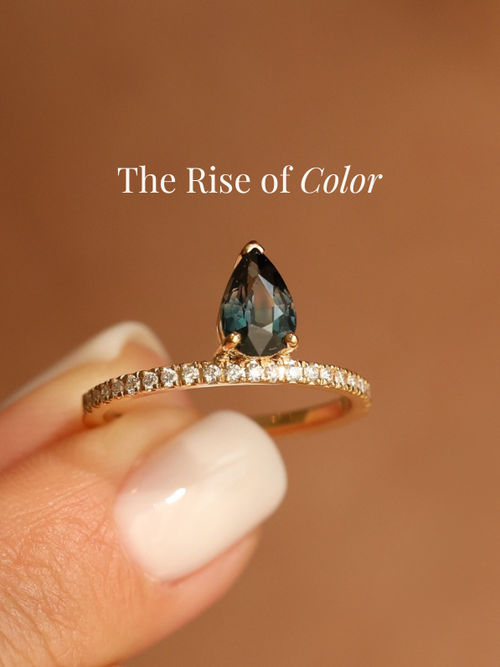
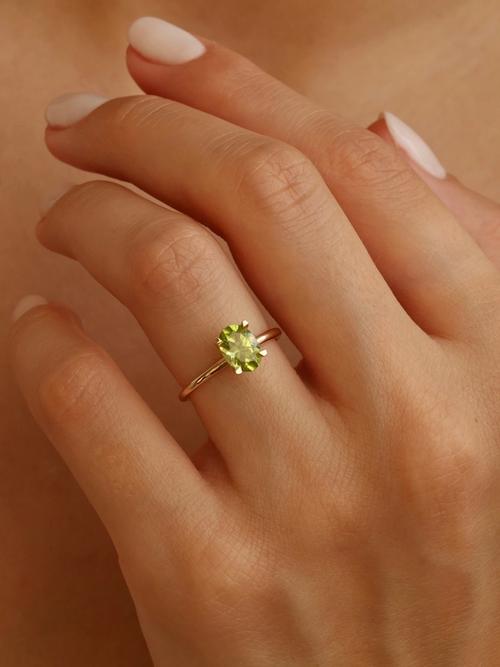
Especially prominent are natural gemstones in blue-green and teal tones, which feel both timeless and contemporary. These colors move fluidly between shades, adding character and sophistication without overpowering the design.
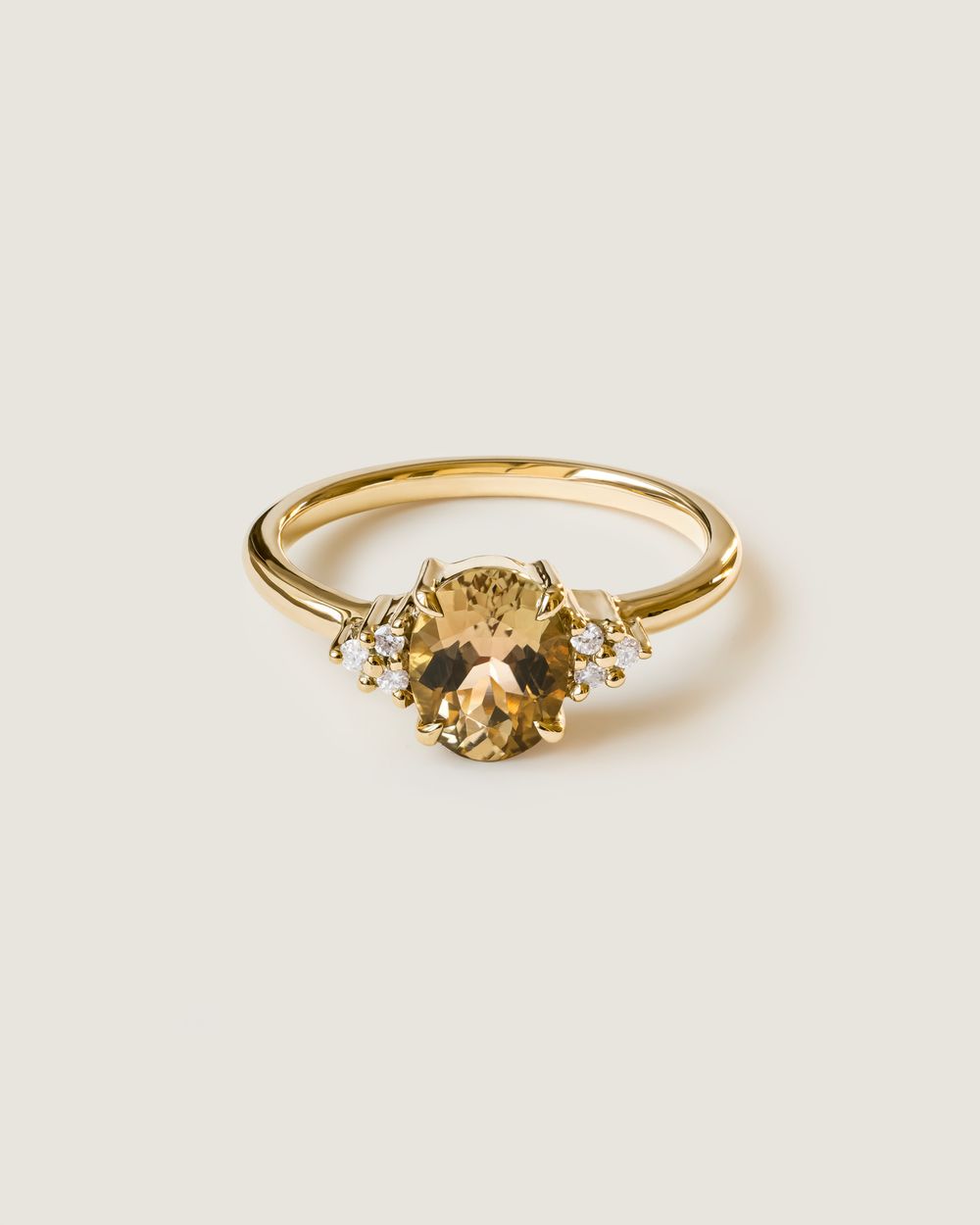
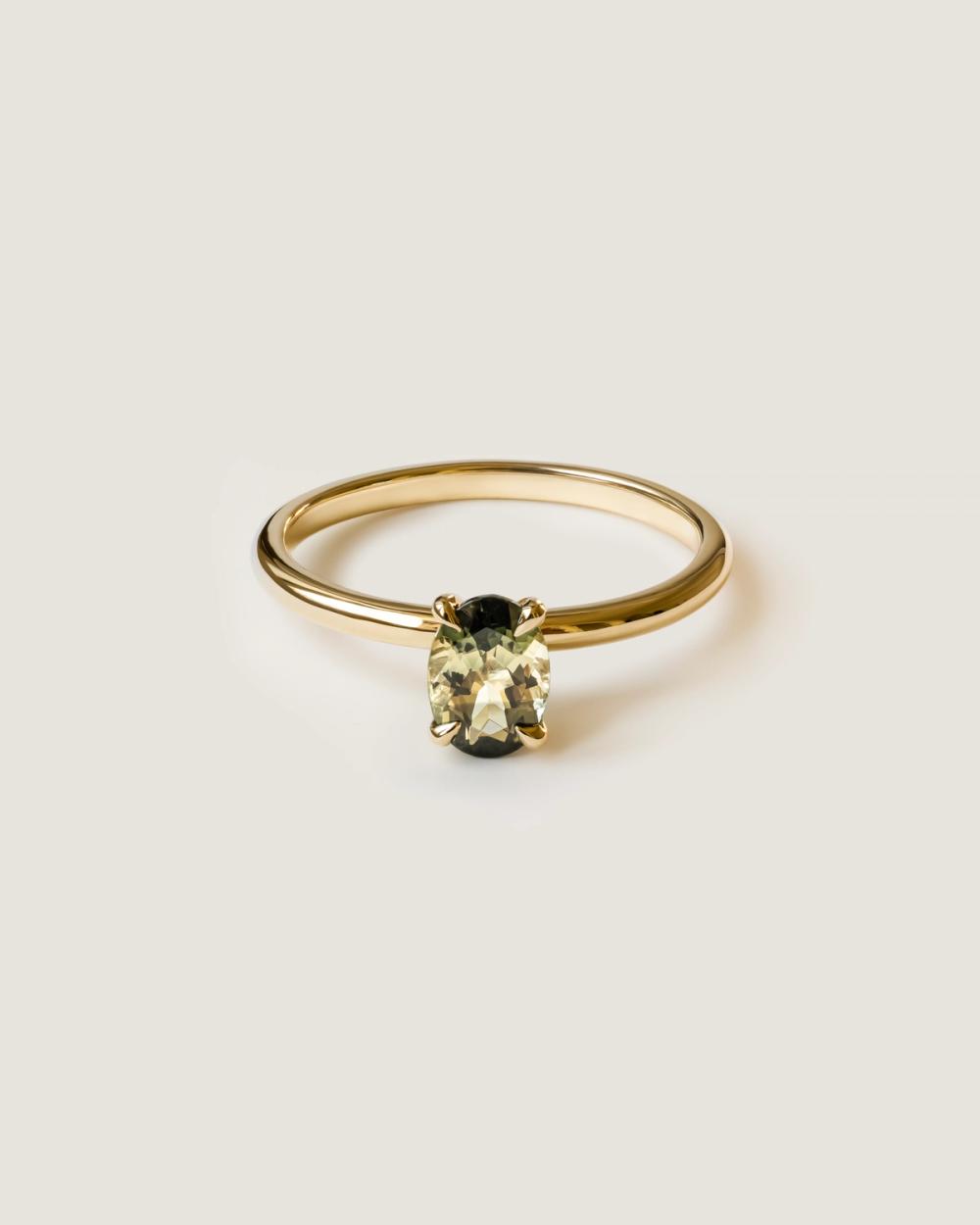
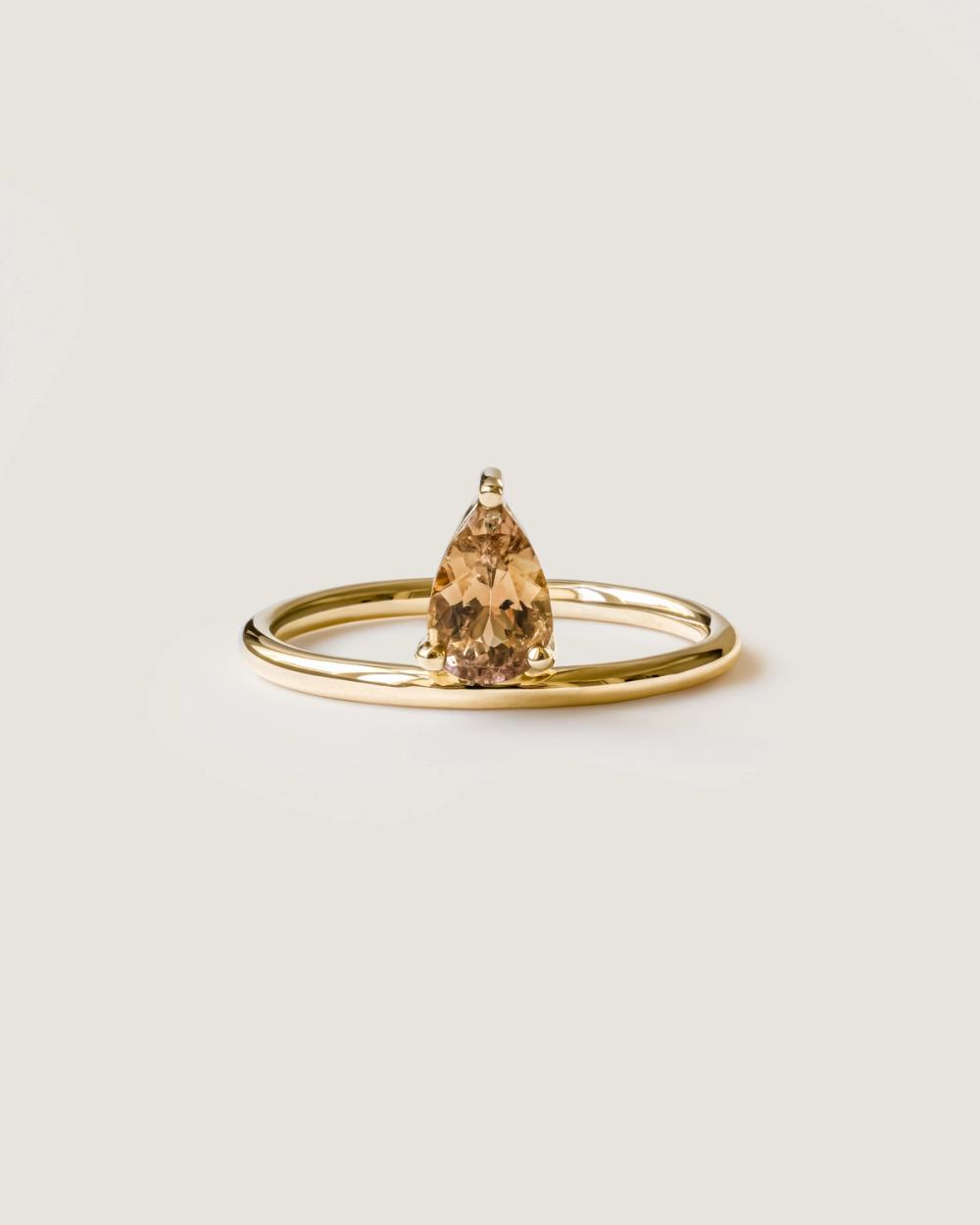
Explore our natural colored gemstone rings
Larger Carat — With New Priorities
In 2026, center gemstones in fine jewelry — particularly in rings — are often chosen in slightly larger carat sizes. This evolution is not driven by a desire to make a statement, but by a wish to give the gemstone space to express its full character.
This shift is supported by:
greater accessibility of lab-grown diamonds
increased appreciation for colored gemstones
design approaches that prioritize proportion and harmony
Rather than carat weight alone defining value, gemstones are evaluated in context — considering cut, color, setting, and how the piece is worn. Size becomes a deliberate design choice, not a goal in itself.
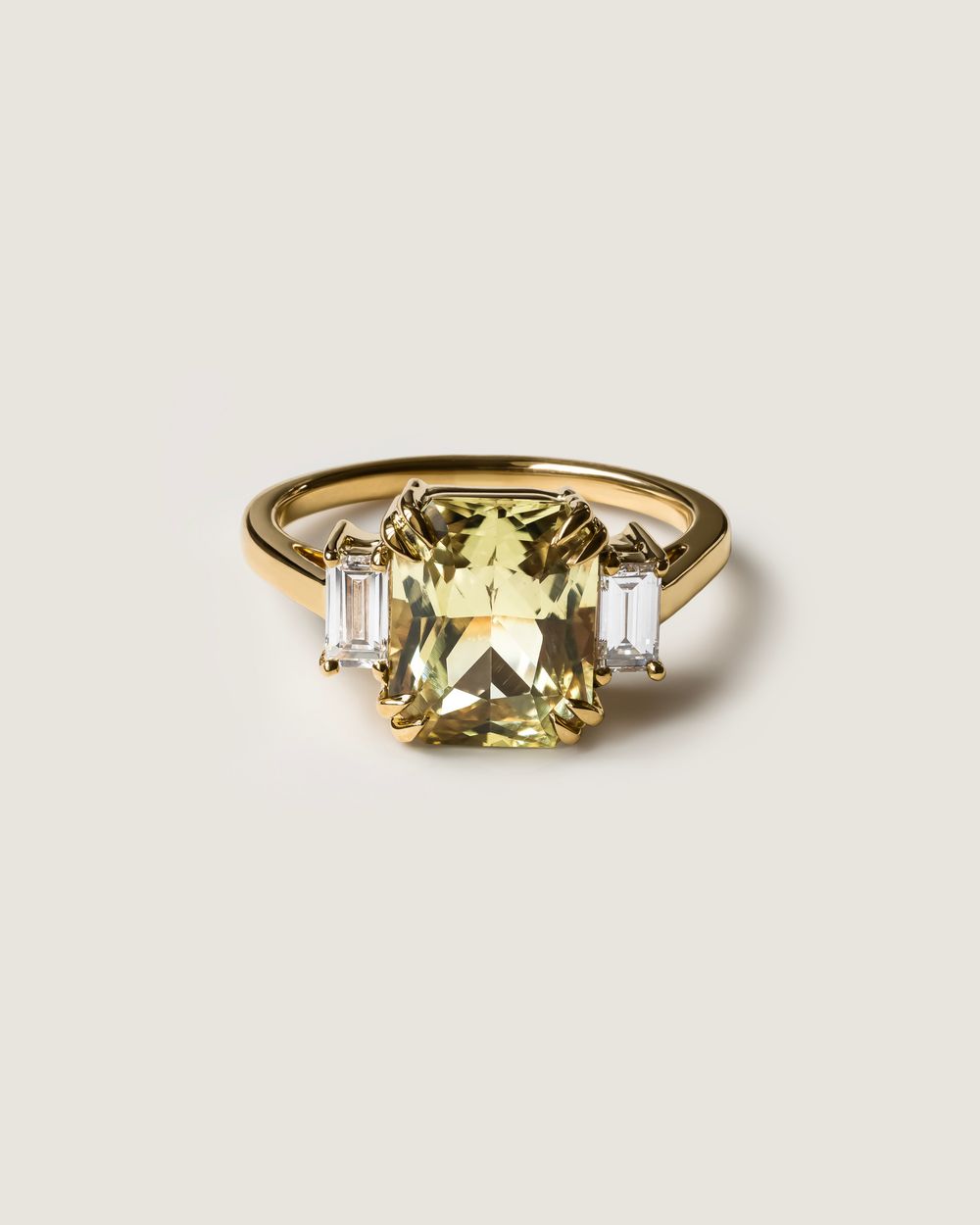
Above: 3,67 carat natural, unheated bi-colored sapphire in golden champagne (golden yellow)
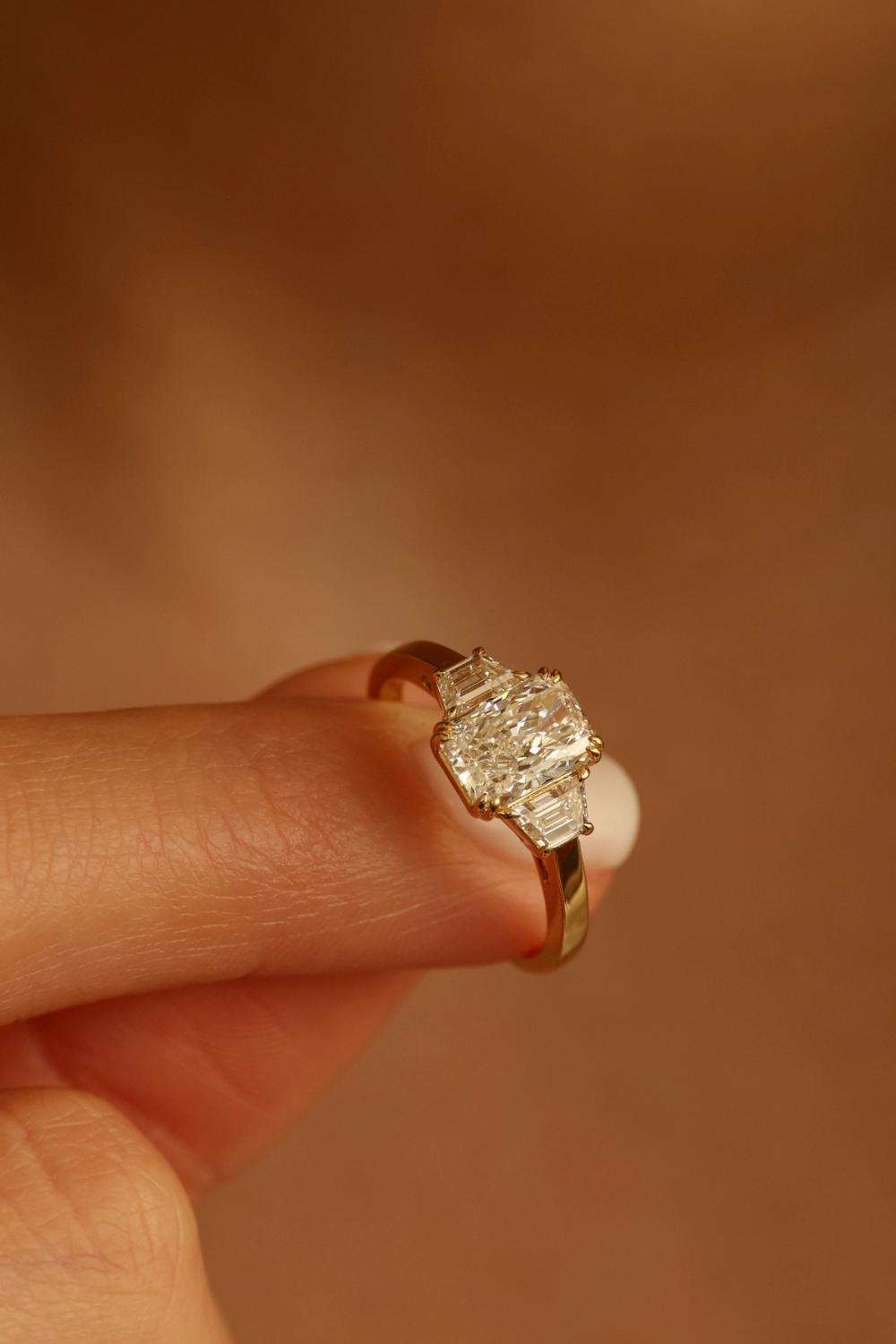
Above: A sparkling 1,50 carat, radiant cut, sustainable lab-grown diamond flanked by two trapezoid diamonds
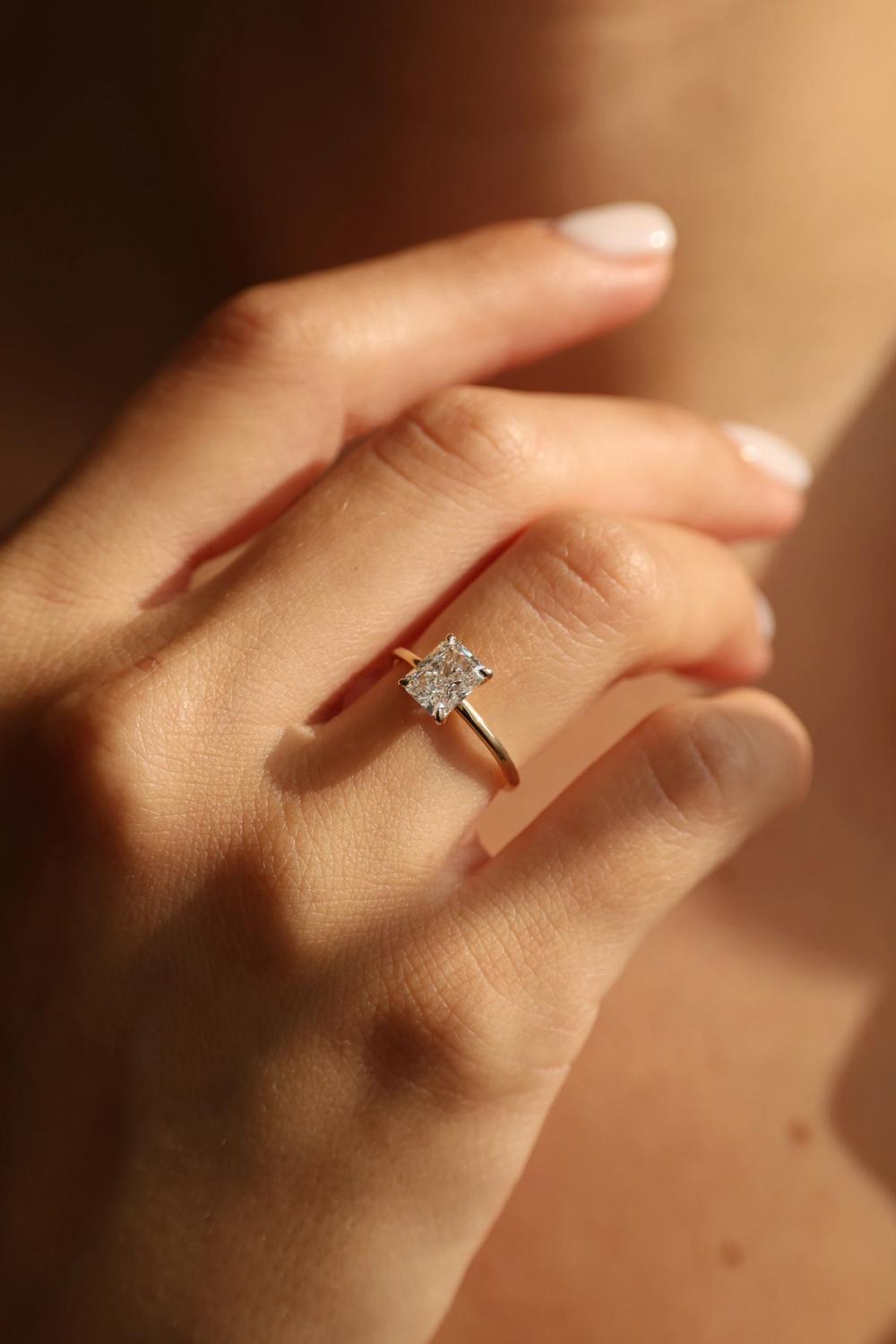
Above: A sparkling 1,50 carat, radiant cut, sustainable lab-grown diamond
Personal Details and Craftsmanship
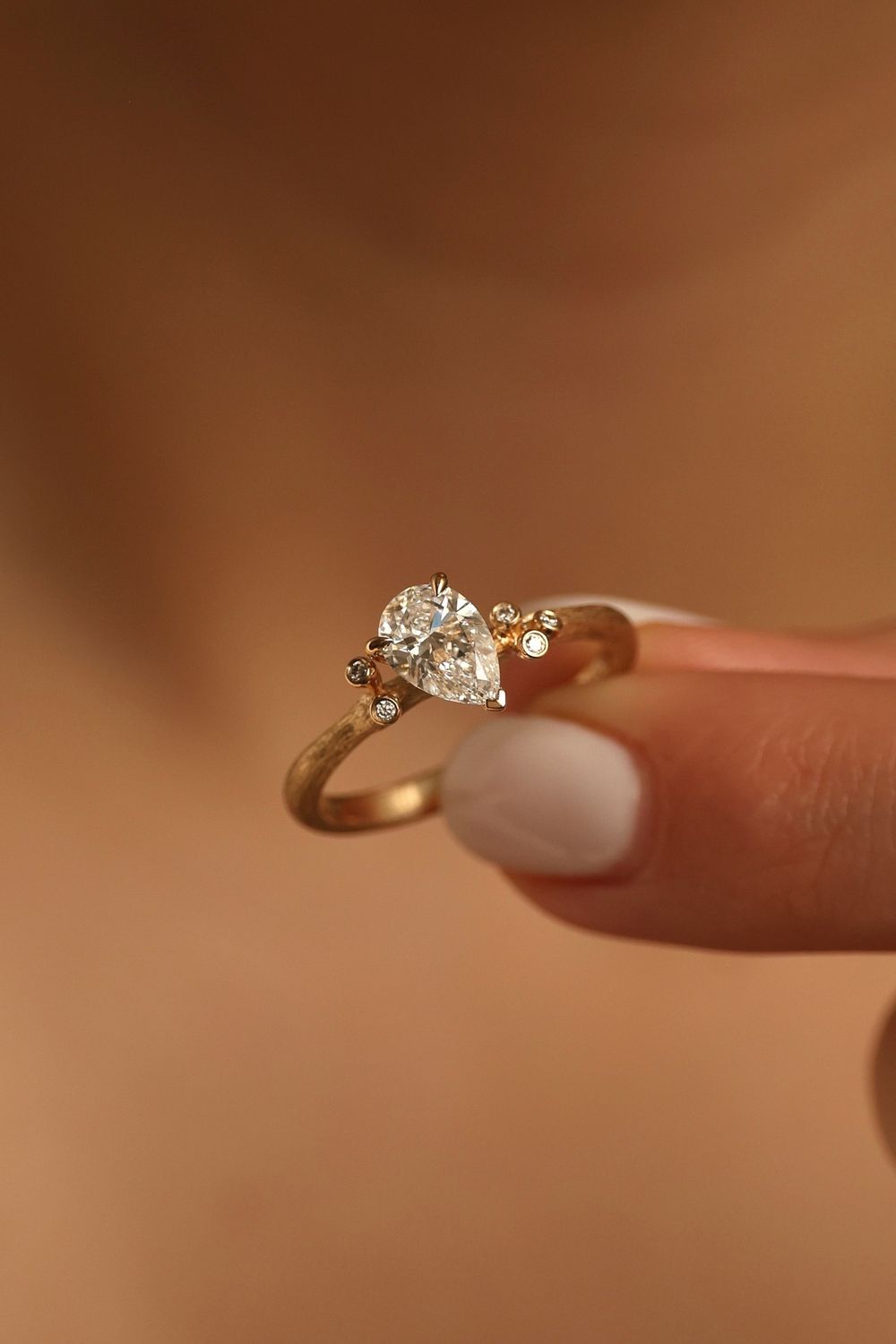
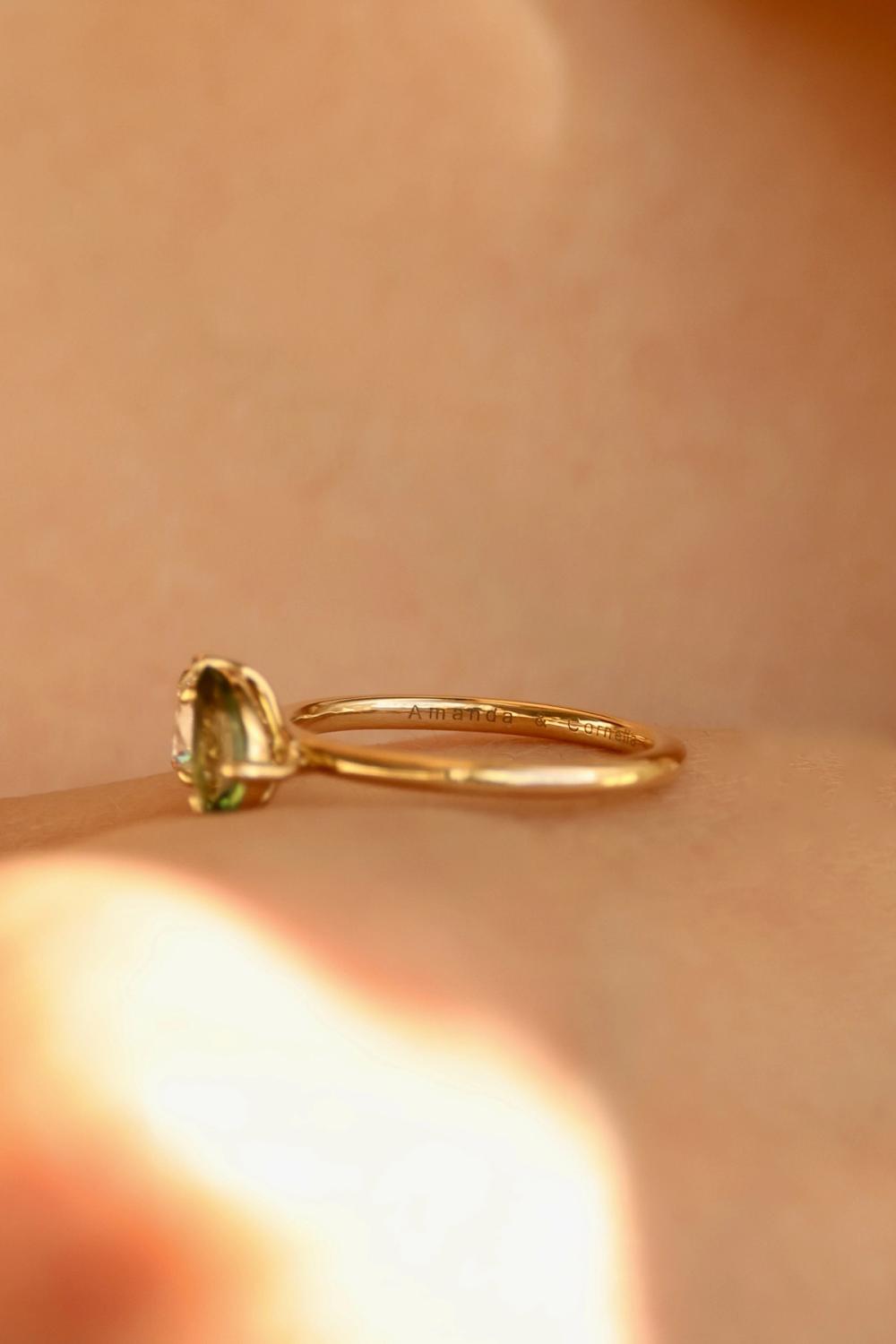
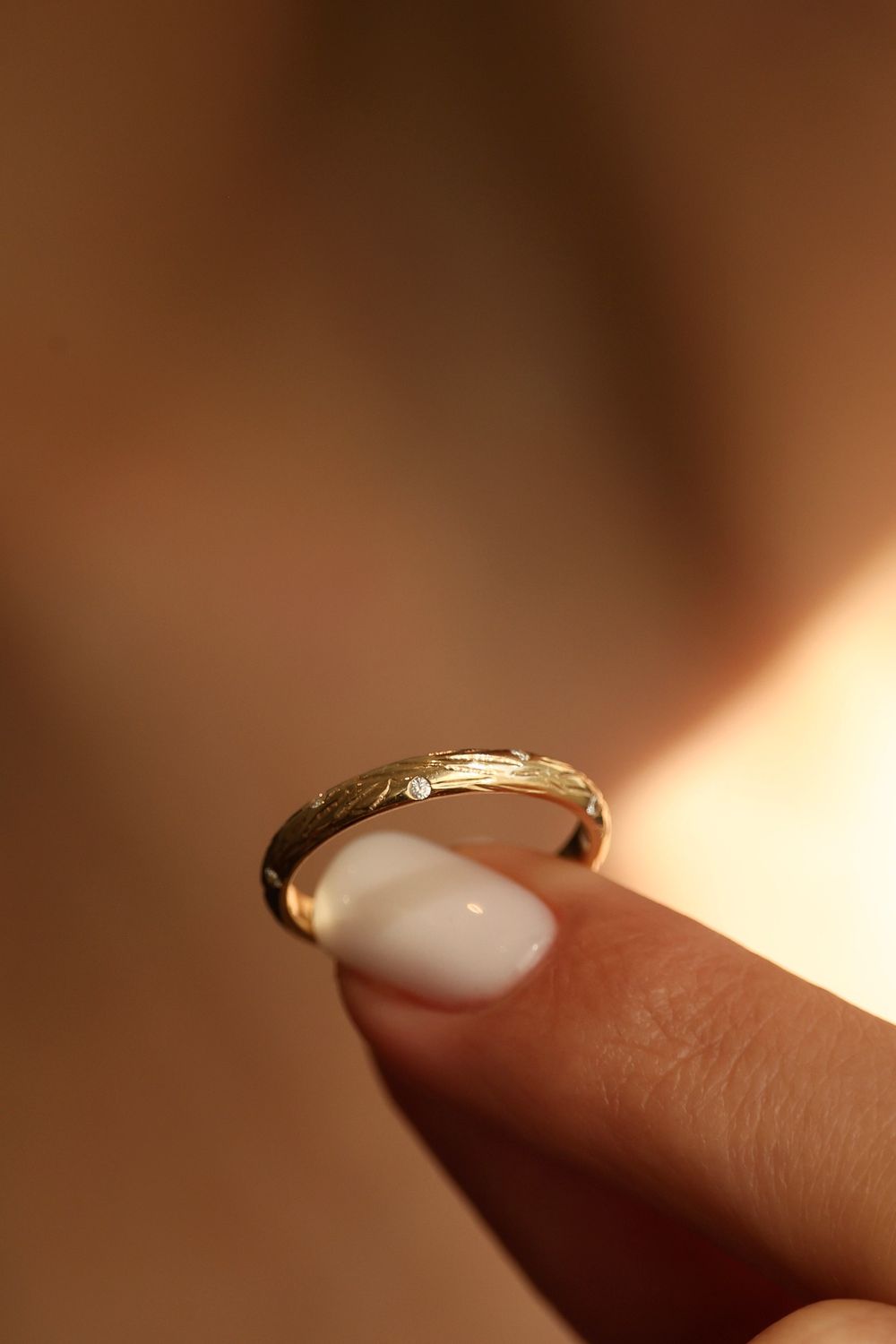
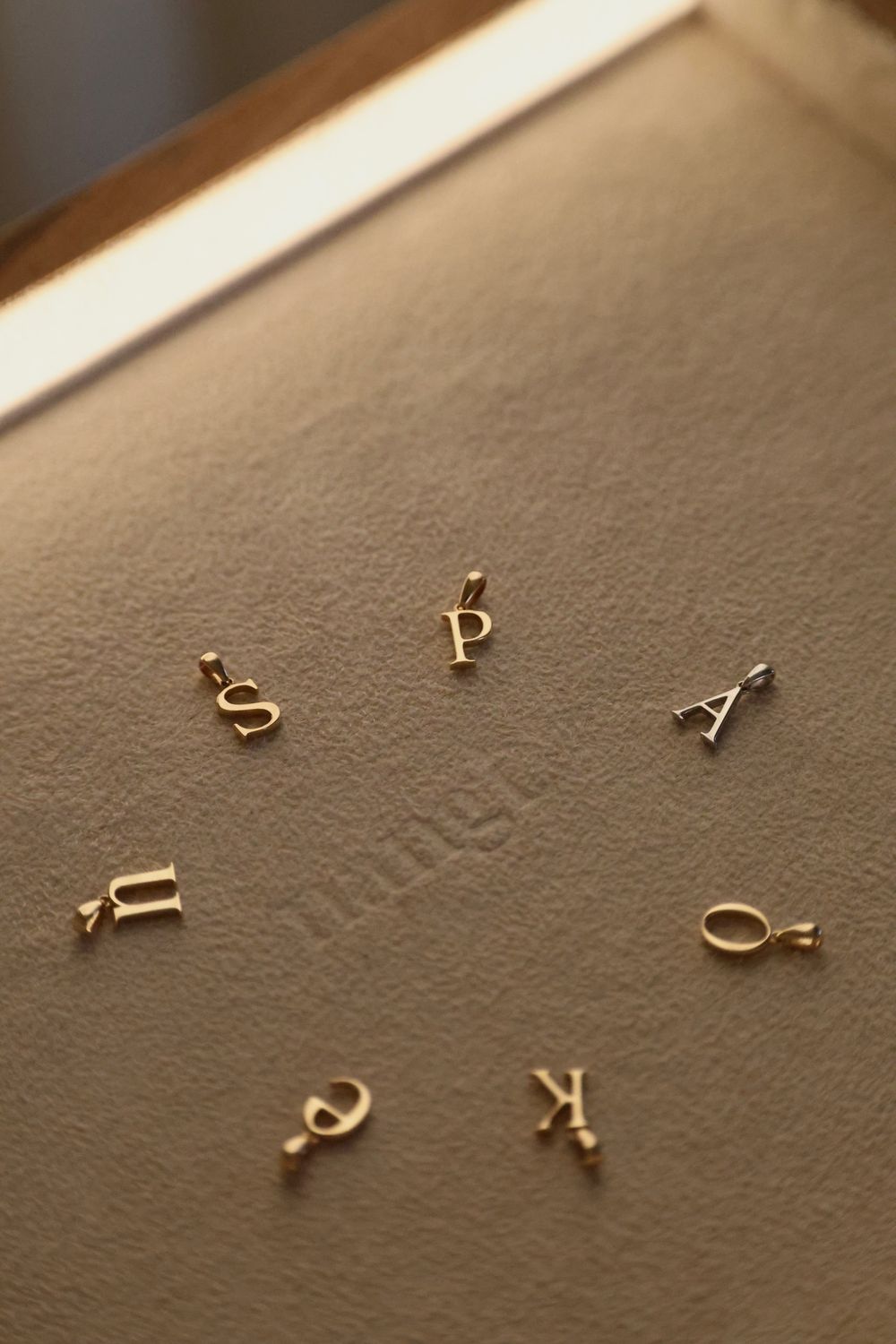
In 2026, jewelry increasingly tells a story. Personal details play a central role: engraving, symbolism and bespoke or custom-designed forms
Clients are no longer searching for the right piece, but their piece. Jewelry that reflects handcraft, subtle variations, and tactile surfaces is valued more highly than sterile perfection.
How 2026 Trends Shape Engagement Rings
Engagement rings in 2026 are designed with heightened awareness of design, proportion, and personal expression. Classic solitaires remain timeless, but are complemented by a broader range of styles that allow for individuality.
Key directions include:
cushion and antique-inspired cuts
considered settings, including bezel and refined pavé details
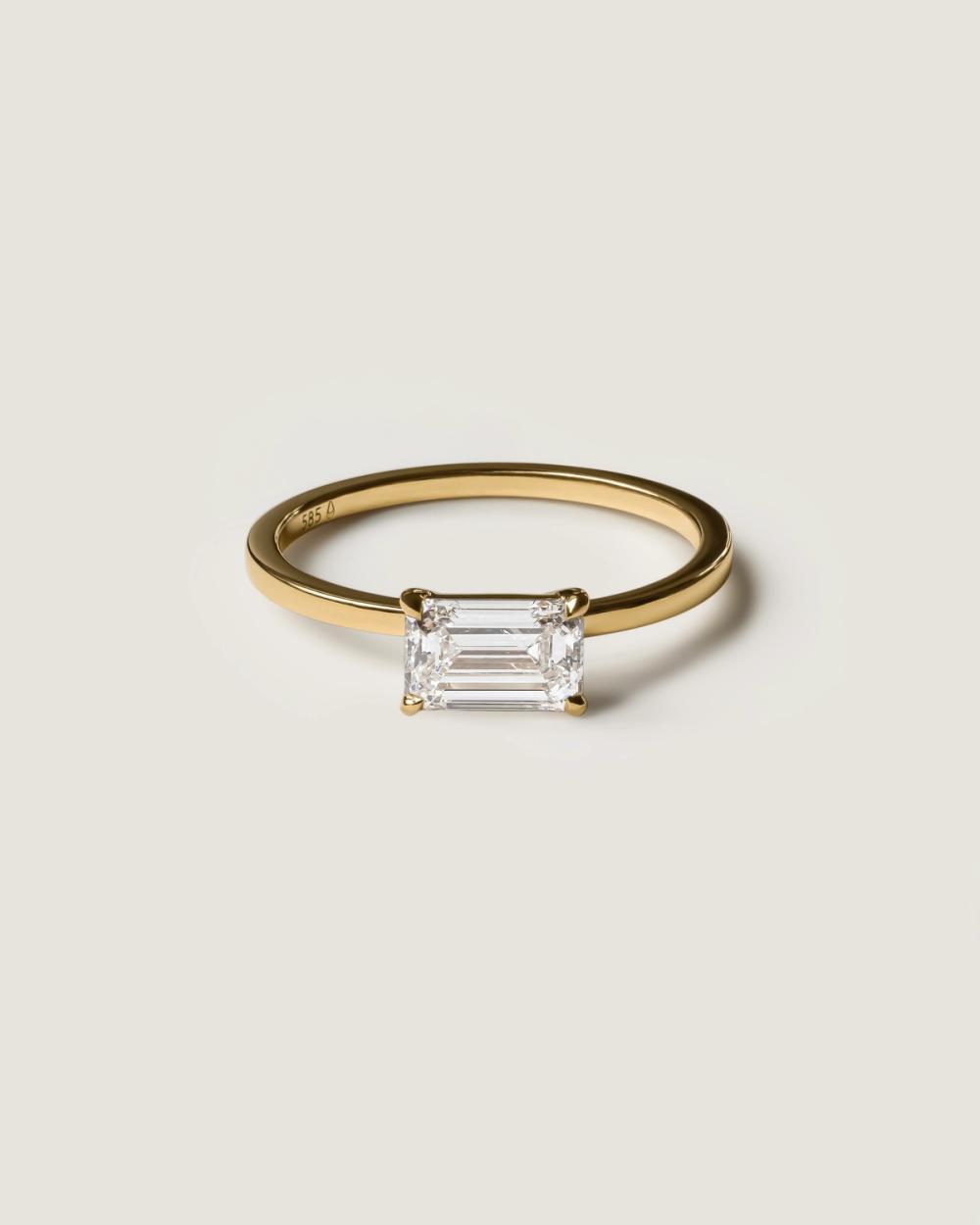
elongated shapes — particularly oval and marquise cuts — as well as east–west orientations
Center gemstones are often selected in slightly larger carat sizes, especially when working with colored gemstones or lab-grown diamonds. The engagement ring becomes not only a symbol of love, but also an expression of identity and values.
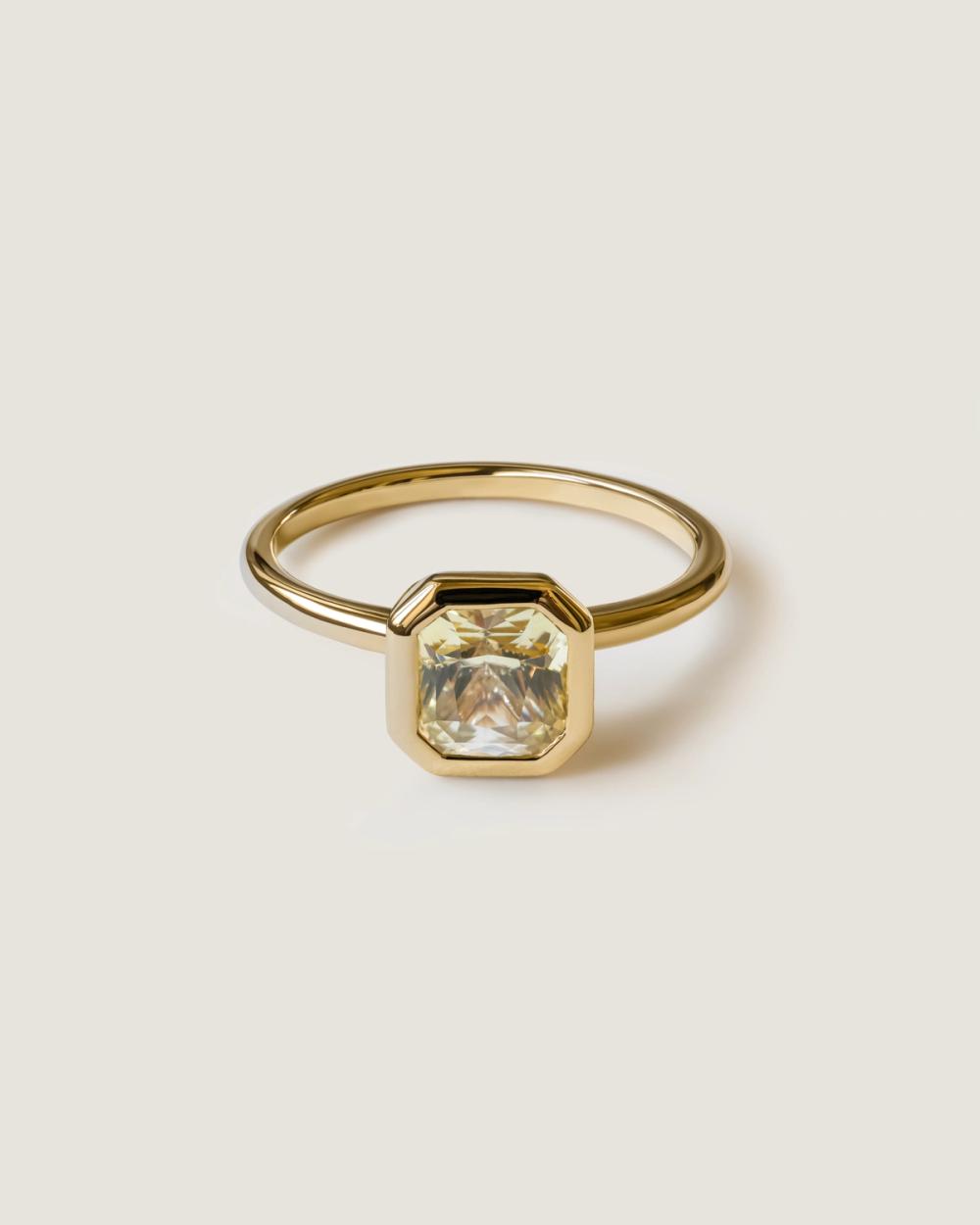
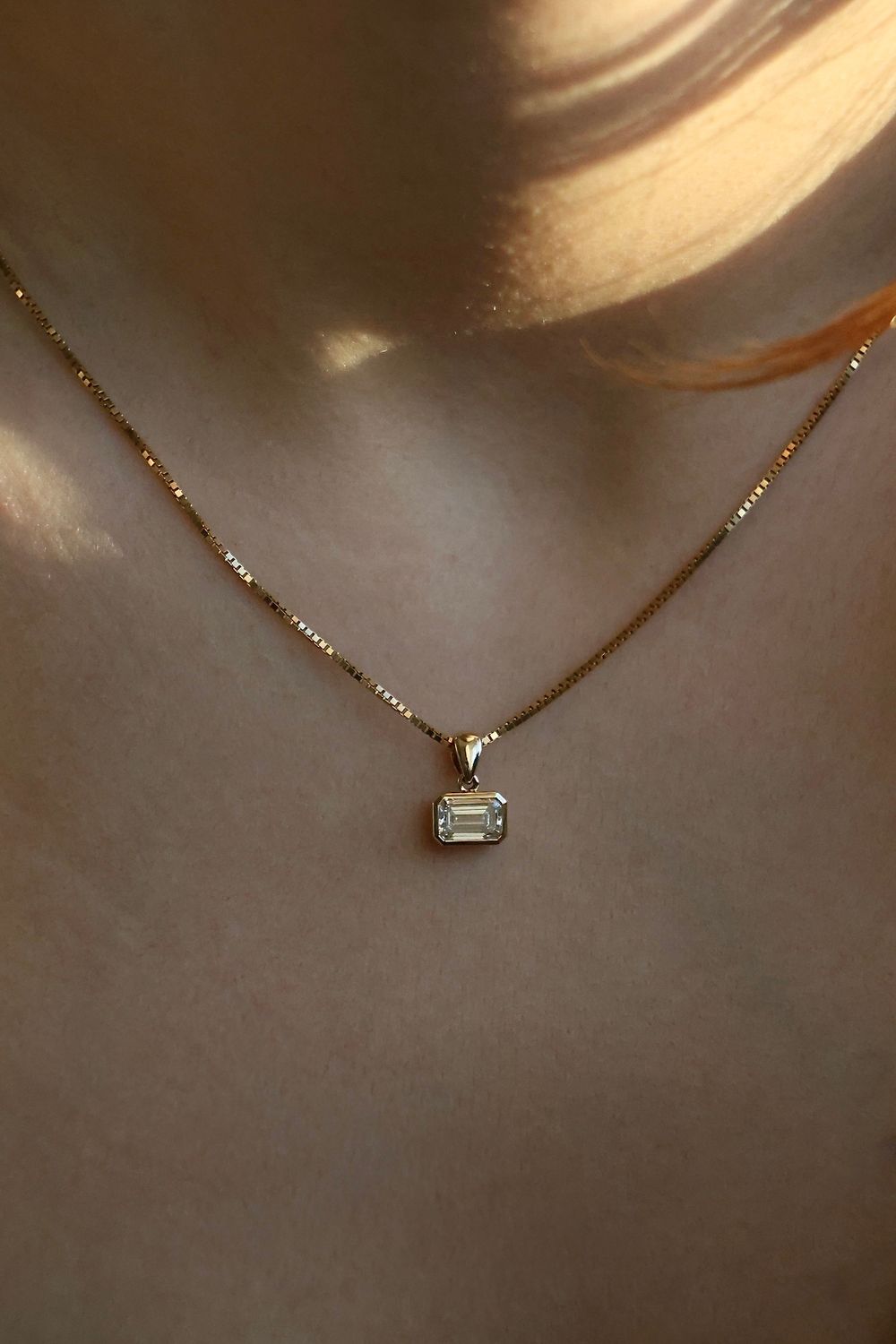
Above: Bezel setting
Wedding Jewelry in 2026: Timeless, Substantial, and Designed to Be Worn
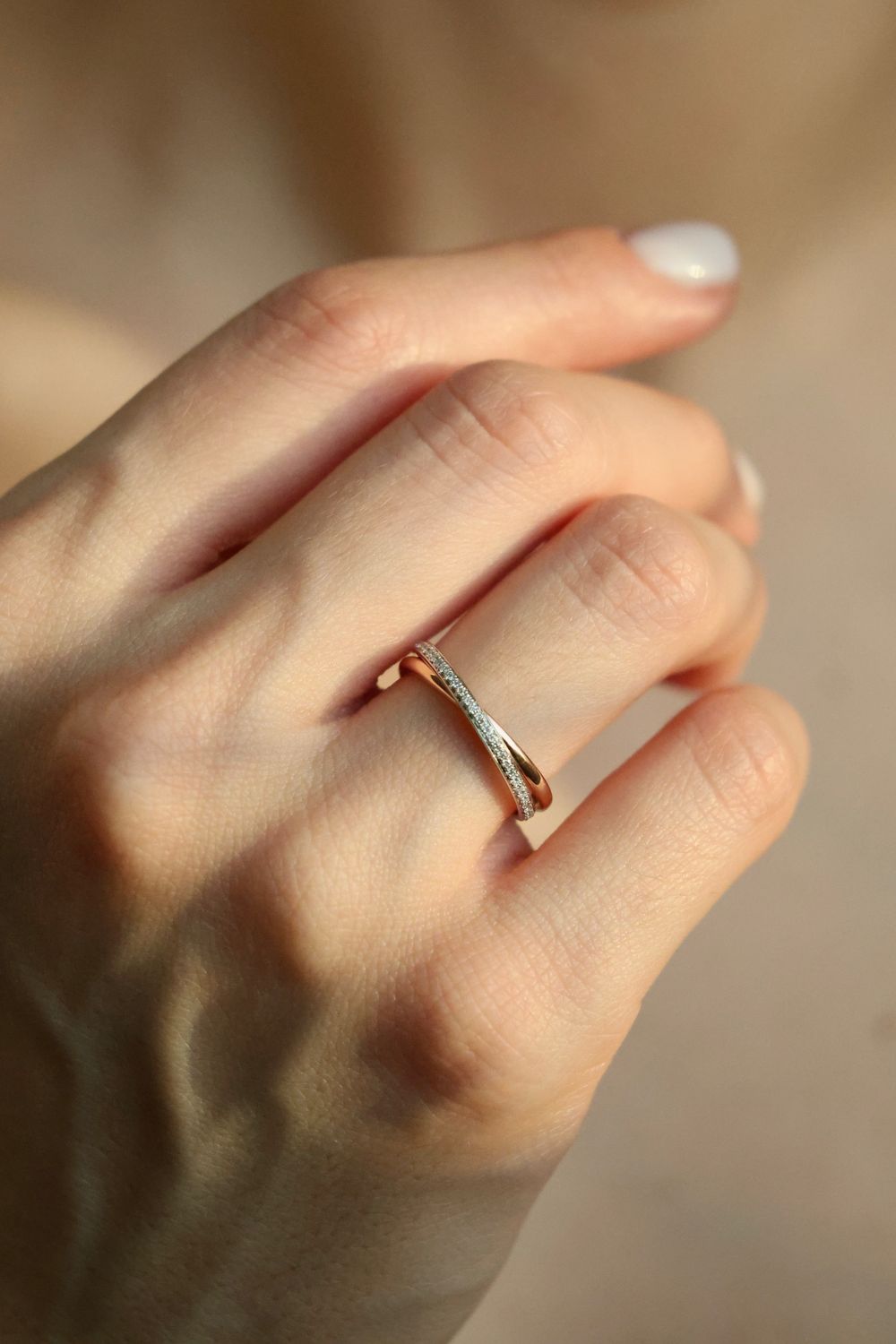
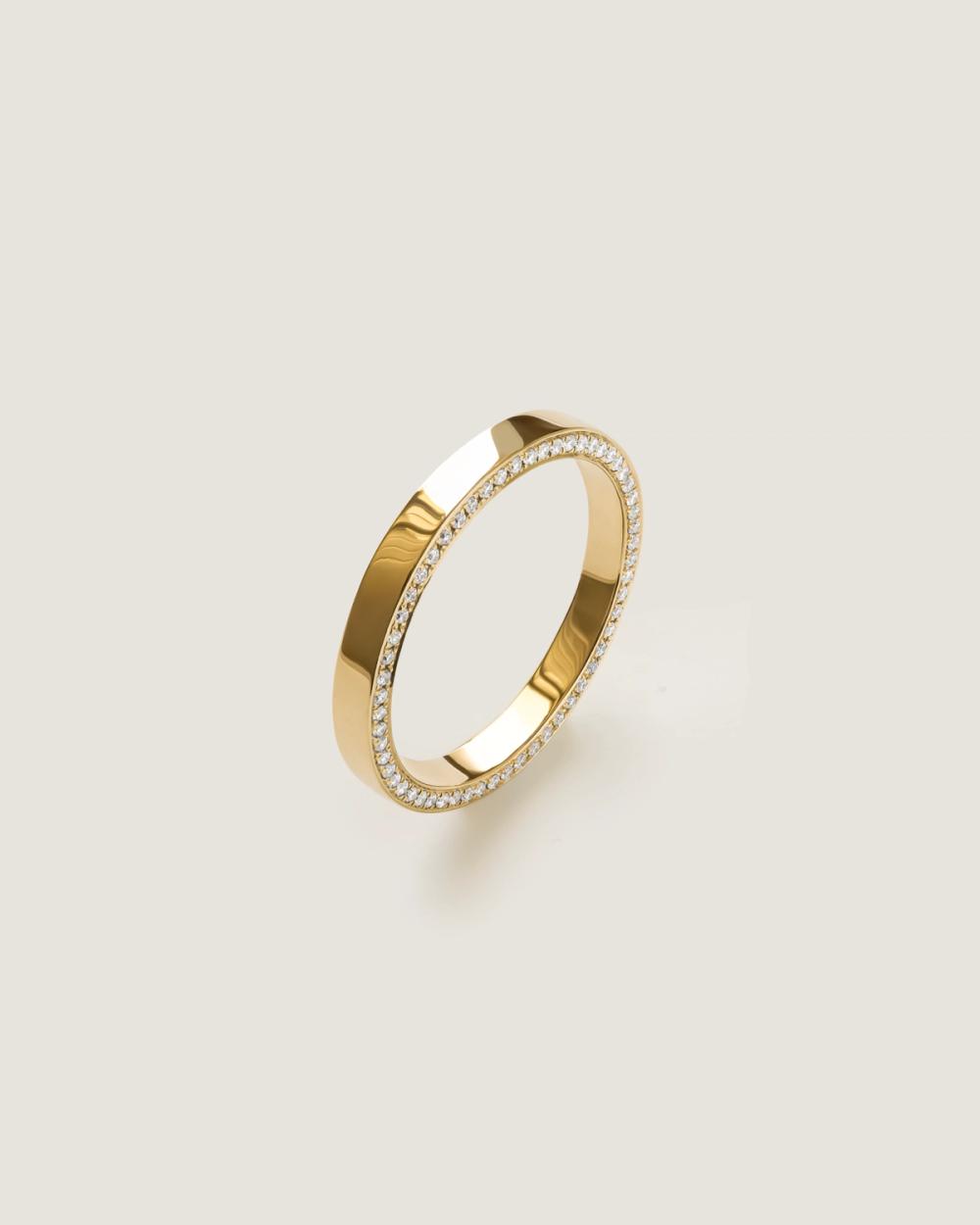
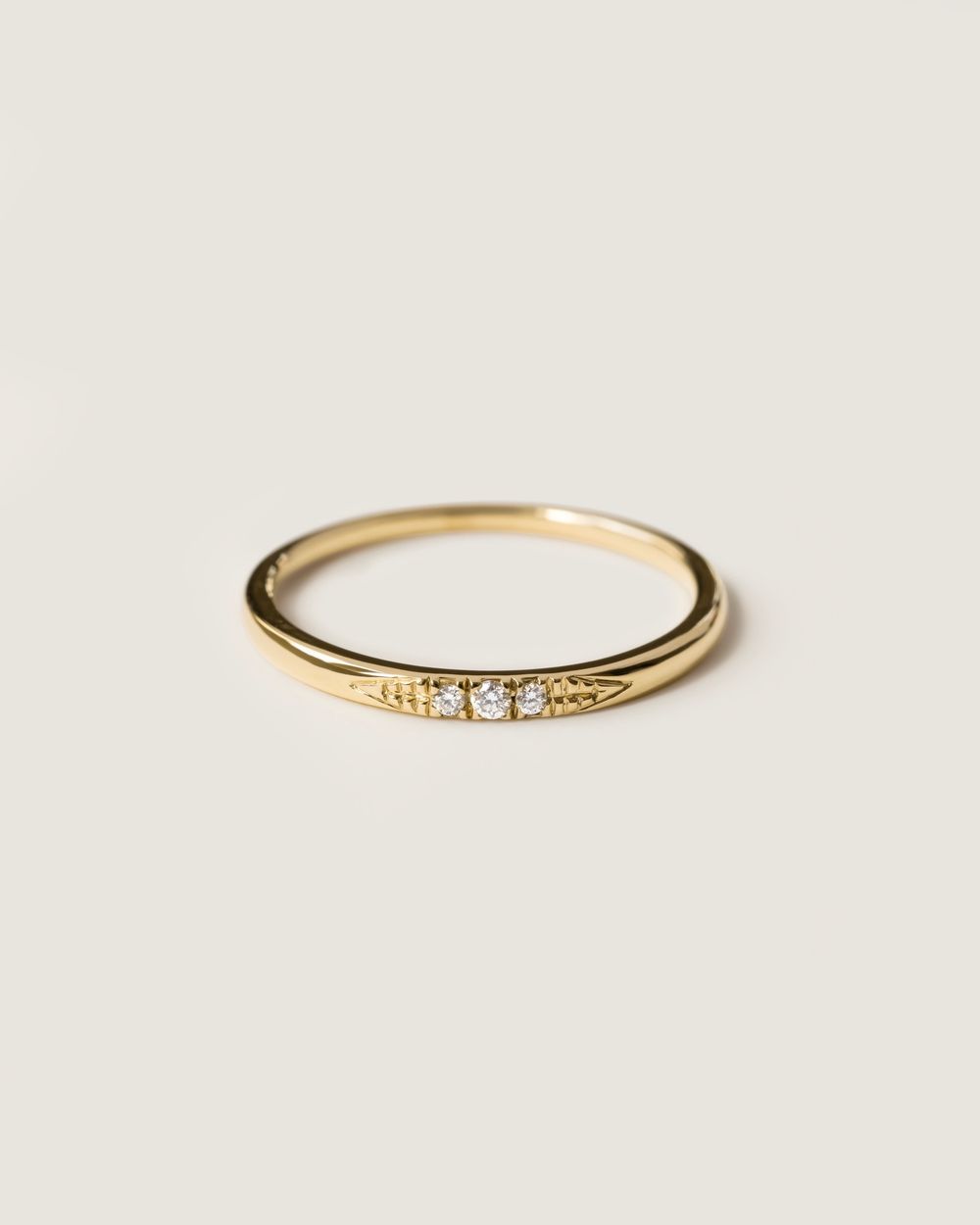
Wedding jewelry follows the same philosophy: less ornamentation, more substance. Instead of delicate, perfectly matched sets, the focus shifts toward: thoughtfully designed gold profiles, mixed metals and rings intended to be worn together — or individually — over a lifetime
The goal is jewelry that ages beautifully and remains relevant long after the wedding day.
Fine Jewelry as an Investment in 2026
More clients view fine jewelry as a long-term investment — emotionally as much as financially. In 2026, investment jewelry is defined by frequent wear, lasting relevance, and enduring aesthetic value.
Quality outweighs quantity. One well-chosen piece, selected with care, holds more meaning and longevity than multiple trend-driven purchases.
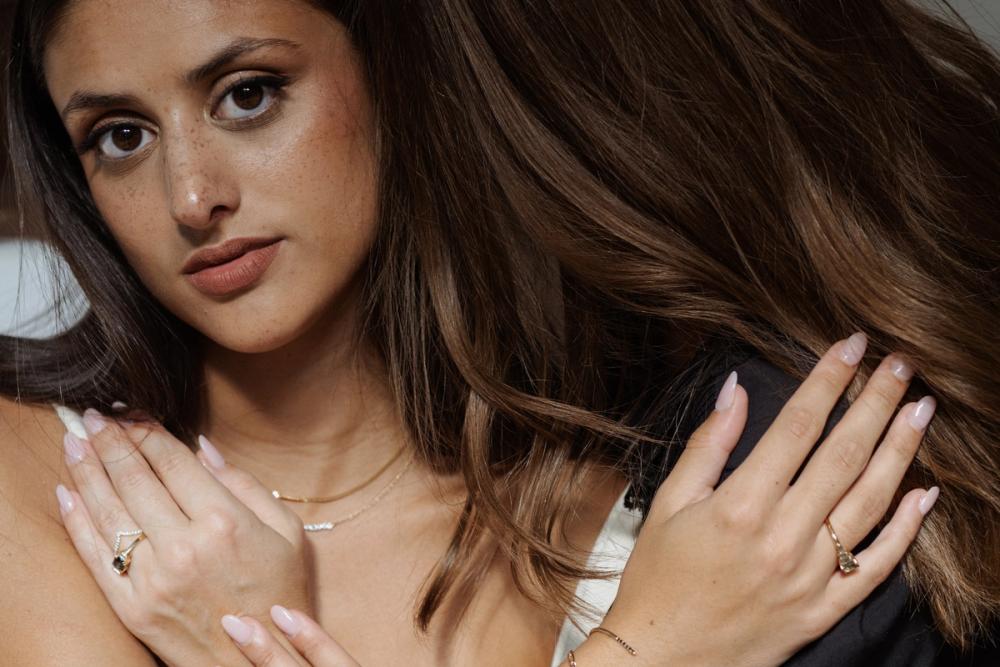
Conclusion: Fine Jewelry in 2026 Is About Longevity, Not Excess
2026 is not about having more — it is about choosing better. Jewelry is meant to: be worn, be lived with, become part of one’s identity.
Fine jewelry in 2026 is calmer, warmer, and more personal. It is luxury designed to last — in style, substance, and meaning.
Join the Nangi family!
Read similar posts

Join the Nangi family!
Subscribe to our newsletter to be the first to know when we release new one-of-a-kind pieces, and gain exclusive access to archive sales and events
Norsk side
Nangi Fine Jewelry © 2024