

Language and currency settings
Change your language and currency settings by selecting your preferences below
Select currency
Select language
Mohs Hardness Scale – Why Hardness Is the Key to Jewellery That Lasts

When we talk about gemstones, the concept of hardness often comes up. But what does it really mean? Hardness is not about how difficult a stone is to break, but about how well it resists scratches and daily wear.
To describe this, we use the Mohs Hardness Scale – a system that has been in use for over 200 years and is still essential when choosing gemstones for fine jewellery (Mohs 1812).
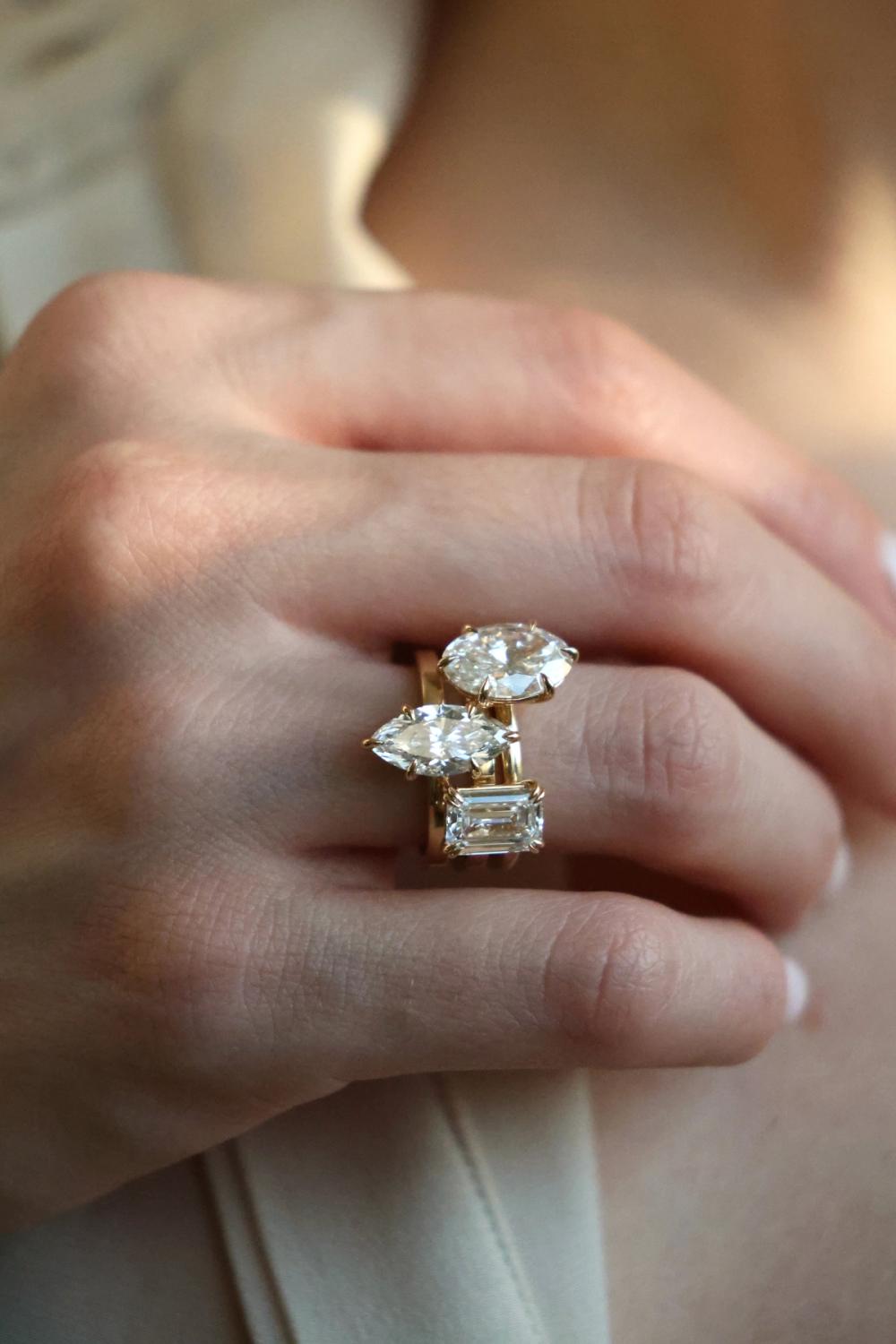
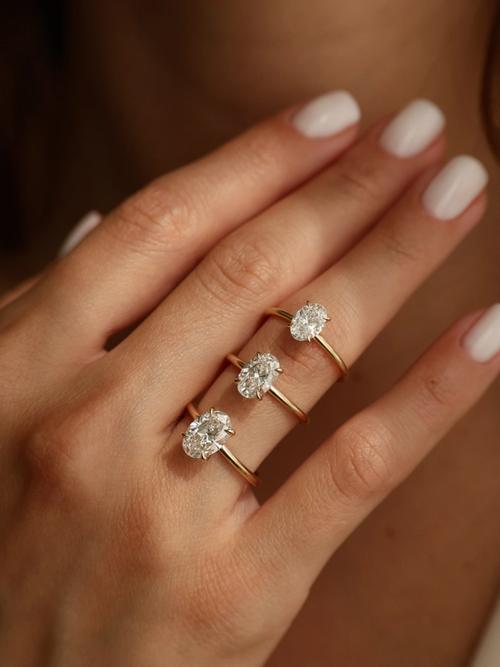
Above: Lab-grown Diamond Rings
Where Does the Mohs Scale Come From?
The scale was developed in 1812 by the German mineralogist Friedrich Mohs, who wanted a simple method to compare the scratch resistance of minerals. The principle is straightforward: a harder mineral can scratch a softer one.
The result was a scale from 1 to 10, where 1 is the softest (talc) and 10 is the hardest (diamond). Remarkably, it is still in use today – by scientists, goldsmiths, and jewellers worldwide – because it is practical, visual, and easy to understand (Gardetti 2020).
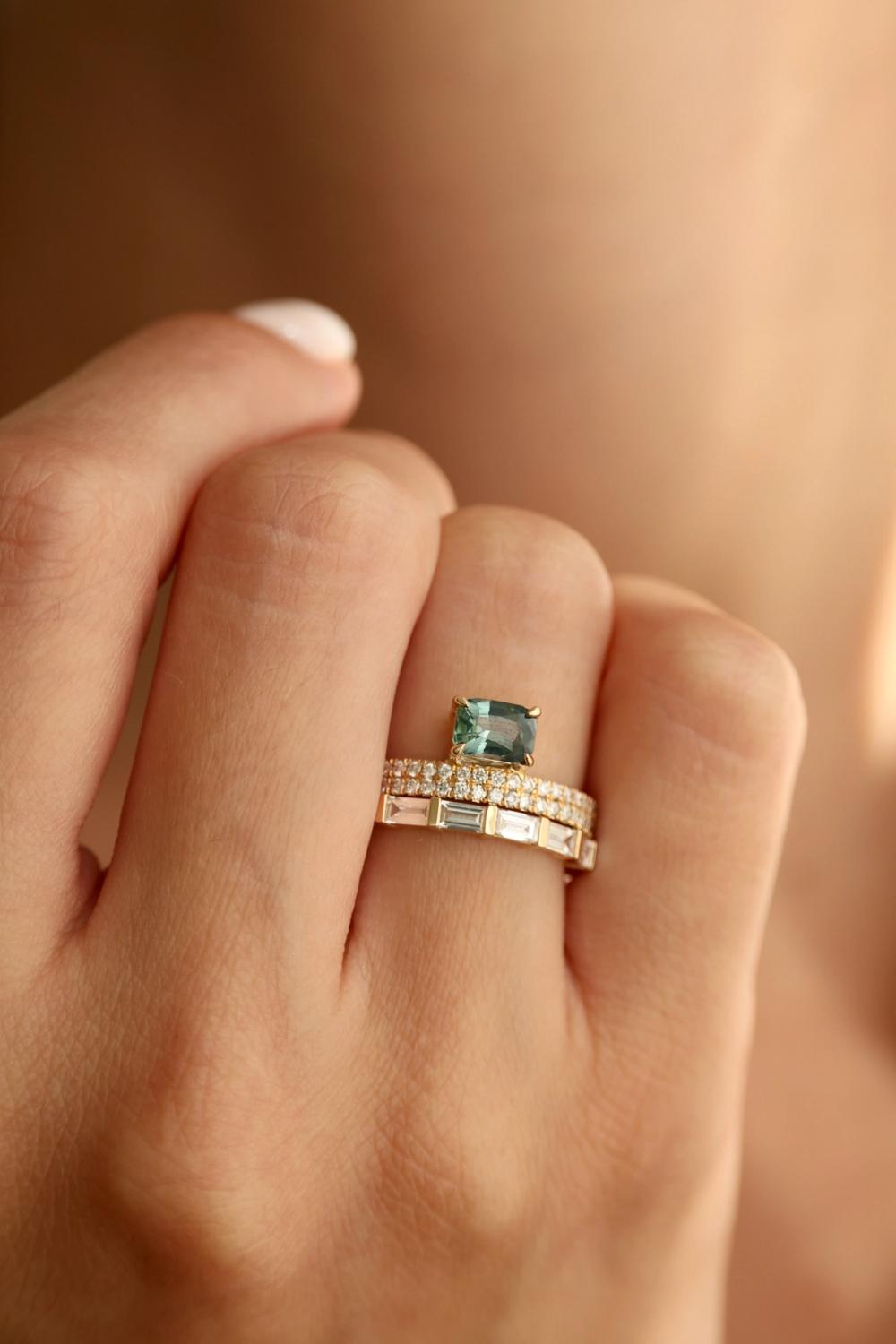
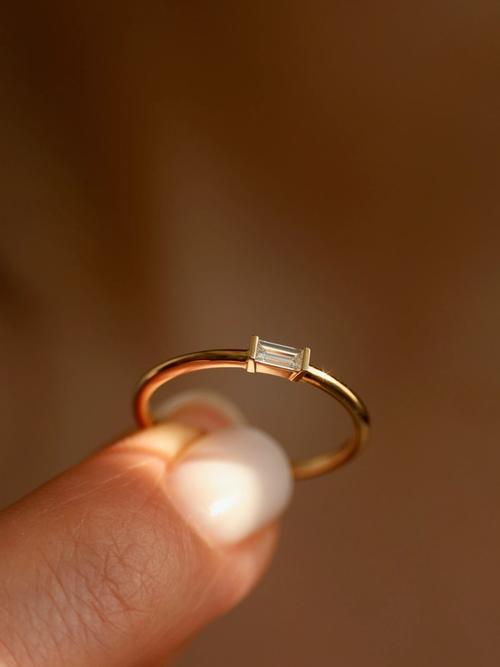
Above: Green Sapphire Ring stacked with Baguette Swan Band
What Do the Numbers Mean in Practice?
The Mohs Hardness Scale gives us a framework for understanding how different gemstones behave in everyday life:
- 1–2: Very soft minerals that scratch easily (talc, gypsum). Not used in jewellery.
- 3–5: Moderately hard minerals (calcite, fluorite, apatite). Too soft for daily wear.
- 6–7: Suitable for jewellery but should be treated with care (quartz, moonstone, emerald).
- 8–9: Robust gemstones that withstand daily wear (topaz, spinel, sapphire, ruby).
- 10: Diamond – the hardest natural mineral known, and a global symbol of eternity (George 2024).
A simple example: a fingernail can scratch a stone rated 3 or lower, while it takes a steel drill to scratch a sapphire or diamond.
Where Do Nangi’s Gemstones Belong on the Scale?
At Nangi, we work with both classic and more unique gemstones. Here’s where they fall on the Mohs scale:
- 10: Lab diamond and Mined Diamond – perfect for engagement rings and heirloom jewellery made to last for generations.
- 9: Sapphire, ruby – timeless and highly durable choices, ideal for daily wear.
- 8: Spinel, topaz – robust stones well-suited for rings, though they need some care.
- 7.5–8: Emerald – a deep green beauty, but more fragile. Best for earrings or pendants.
- 7–7.5: Tourmaline, aquamarine, garnet, iolite, zircon, morganite – strong stones but should be protected from knocks.
- 6.5–7: Amethyst, citrine, peridot, green aventurine, guava quartz, apricot agate – beautiful choices, best suited for earrings or pendants.
- 6–6.5: Moonstone – poetic and shimmering, but more delicate in rings.
Discover all of our unique gemstones here
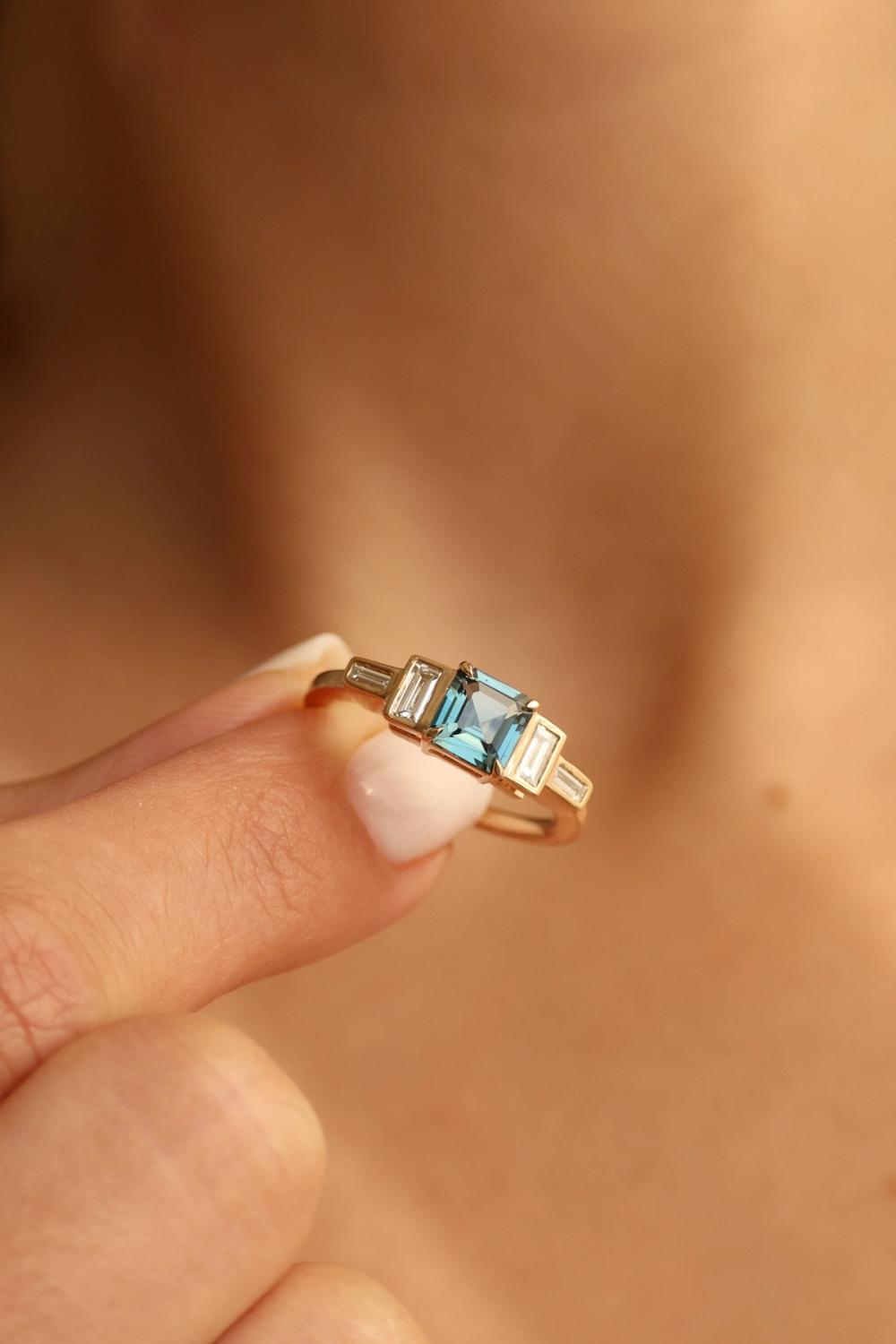
Over: Art Deco Sapphire Ring
Why Does Hardness Matter When Choosing a Ring?
When selecting an engagement ring or any ring designed for daily wear, the gemstone’s hardness is crucial. A harder mineral resists scratches and maintains its beauty over time, while softer stones are more prone to marks, chips, or loss of brilliance.
This is why diamond, sapphire, and ruby are the most popular choices for engagement rings – not only for their beauty, but also for their resilience. Other gemstones, like emerald or moonstone, can be spectacular, but they require more care and are better suited for jewellery worn occasionally (Melatini 2023).
Lab-Grown Diamonds and Hardness
At Nangi, we work exclusively with lab-grown diamonds – and they have exactly the same hardness and quality as mined diamonds: 10 out of 10 on the Mohs scale. This means they are not only an ethical and sustainable choice, but also a guarantee of maximum durability and longevity (George 2024). In other words, they are perfect for a ring or any fine piece of jewellery.
Learn more about our lab-grown diamonds here
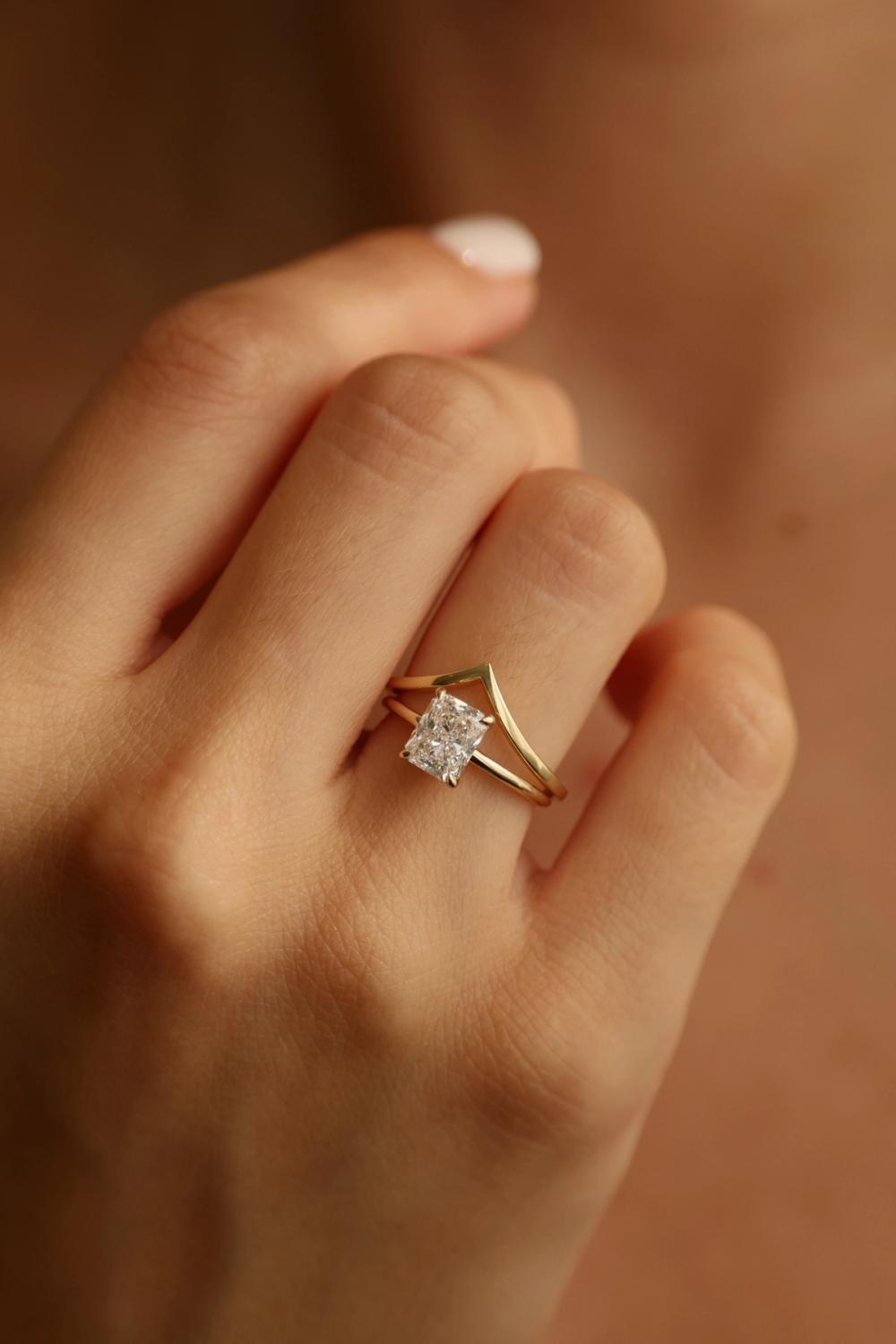
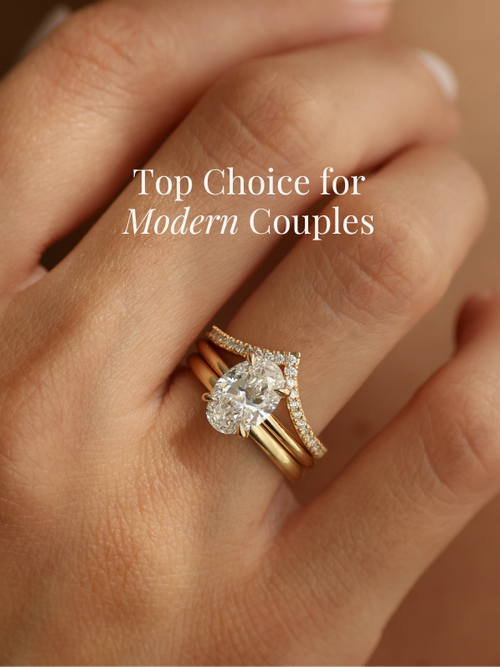
Above: Radiant Diamond Ring (1,50 ct) stacked with Swan Tail
But Remember – Every Gemstone Needs Care
Even the hardest gemstones can be damaged if exposed to strong blows, extreme temperatures, or harsh chemicals. That’s why we always recommend gentle care: clean your jewellery with lukewarm soapy water, use a soft brush, and store pieces separately to avoid scratches.
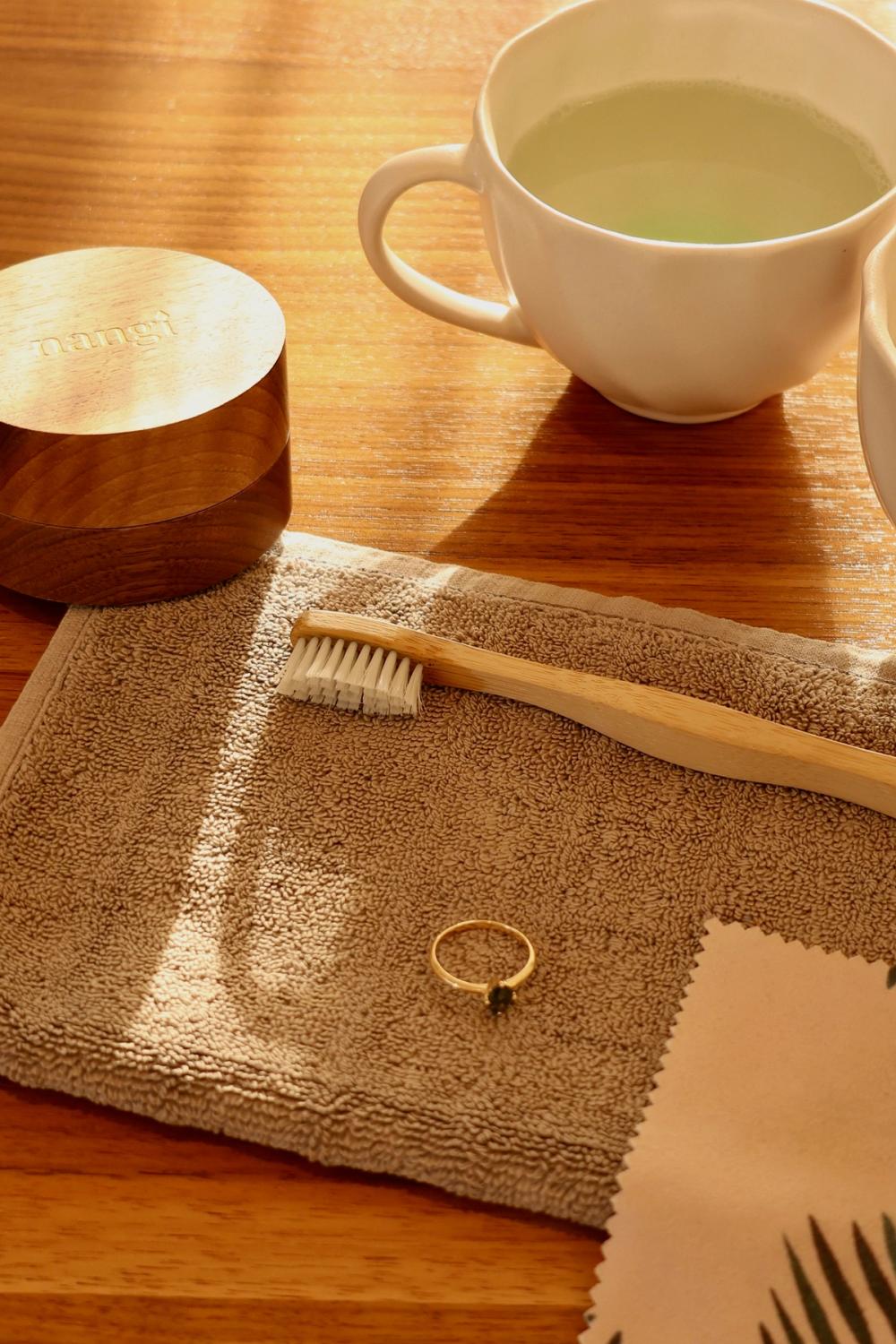
Click here to learn more about the use and maintenance of jewelry.
Our jewelry selection – with you in mind
When we create jewellery at Nangi, we choose gemstones with durability in mind. We recommend diamond, sapphire, and ruby for rings designed for everyday use – but we also love working with unique stones like tourmaline or amethyst when you want a more personal expression.
Because in the end, a piece of jewellery is not only about numbers and scales – it is about the story and symbolism you wish to carry with you.
Join the Nangi family!
Read similar posts

Join the Nangi family!
Subscribe to our newsletter to be the first to know when we release new one-of-a-kind pieces, and gain exclusive access to secret sales and events
Norsk side
Nangi Fine Jewelry © 2024